
Lula wins fourth term with 50% of the vote
Flávio Bolsonaro has filed a suit to annul the result, citing a change in voting hours.
By Dominic Foster ·
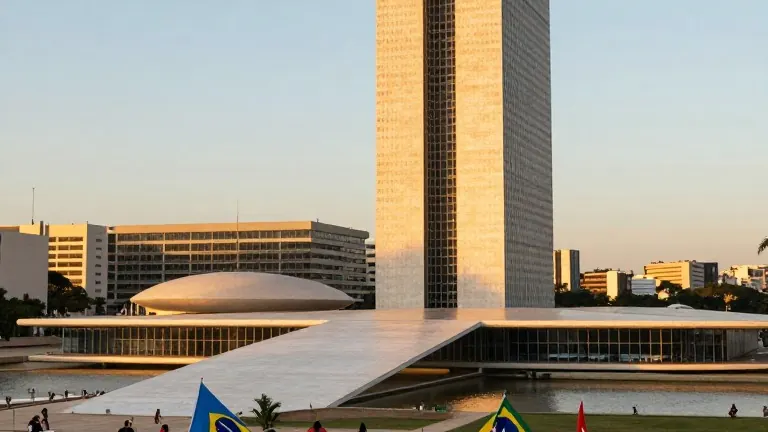
Luiz Inácio Lula da Silva has won a fourth term as president of Brazil, defeating far-right challenger Flávio Bolsonaro. Lula secured 50% of the vote, a result that marks the end of his opponent's bid to continue the political legacy of his father, former president Jair Bolsonaro. The victory allows Lula to return to the top of the government after a period of exile from the presidency, solidifying his status as the first elected working-class leader in the country's history.
Flávio Bolsonaro refused to concede defeat immediately after the results were finalized. He asked for the election results to be annulled, pointing to a decision by a supreme court justice to extend voting hours as the primary reason for the legal challenge. This move mirrors the actions of Jair Bolsonaro four years ago, when he also refused to acknowledge his loss to Lula before attempting a coup and being convicted of the effort.
The path to this election result involved a dramatic fightback by Lula's campaign. Tom Phillips, reporting from São Paulo, noted that the Bolsonaro response was expected but likely to have limited impact. Phillips stated that world leaders are already recognizing Lula's win, and that Bolsonaro has little hope of overturning the result. Phillips described the victory as the crescendo of Lula's 50-year political career, which has helped millions of people escape poverty.
The timeline of the political conflict stretches back to the previous administration. Jair Bolsonaro, who served as president for four years, was convicted of attempting a coup after his defeat. His son Flávio is now leading the legal challenge against the new government, creating a direct line of succession in the opposition's strategy. The supreme court's decision on voting hours is now the central legal point of contention for the annulment suit.
World leaders have begun to recognize Lula's win, signaling international support for the new term. This diplomatic backing reduces the likelihood of the annulment suit succeeding on a global scale. The legal process will now move to the courts, where the validity of the extended voting hours will be scrutinized. The outcome of this suit will determine whether Lula begins his fourth term immediately or faces a period of legal uncertainty.
The next step in the process is the court's review of the annulment request. Flávio Bolsonaro's legal team will present arguments regarding the impact of the extended voting hours on the election's fairness. The supreme court will evaluate these claims against the established electoral rules. The decision will set the stage for Lula's official inauguration or a potential rerun of the election.
The election result has already triggered reactions from key international figures. The recognition by world leaders serves as a check on the domestic legal challenges. As the court proceedings begin, the focus will remain on the specific procedural changes made to the voting schedule. The final ruling will determine the stability of Brazil's government in the coming months.
Source: The Guardian