Musk's $446 Million Lead Pushes 2026 Midterm Spending to $11.6 Billion
Record ad costs in the Texas Senate race and a surge in small-dollar donations for Democrats mark a historic fundraising gap.
By Dominic Foster ·
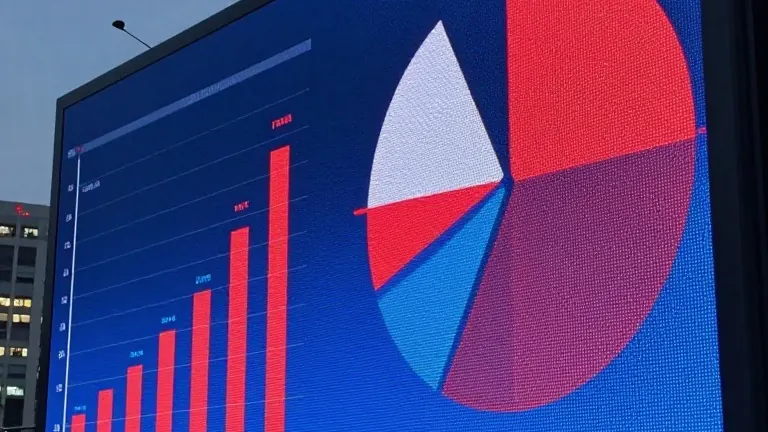
Elon Musk has donated $446 million of his own money to the 2026 U.S. midterm elections. The billionaire’s contributions help drive a total spending projection of $11.6 billion, according to AdImpact, an advertising intelligence firm. This figure would exceed the $11.2 billion spent in the 2024 presidential cycle and the $8.9 billion spent in the 2022 midterms.
The Texas Senate race between Democratic candidate James Talarico and Republican Attorney General Ken Paxton accounts for a large share of the cost. Ad-tracking data shows combined spending in that contest has surpassed $500 million. The race is on pace to become the most expensive U.S. Senate contest in history. Groups backing Paxton have spent approximately $239 million, which is more than five times the amount spent by the largest Democratic-aligned groups.
Henrik Schatzinger, a political science professor at Ripon College, describes the cycle as defined by the relentless rise of the mega donor. He notes that in 2014, an individual needed to contribute at least $2.3 million to enter the top 40 donors. In 2026, the threshold for that ranking is $25 million.
Candidate fundraising shows a sharp contrast between the two parties. The Federal Election Commission reports that Democratic candidates have raised more than $906 million, while Republican candidates have raised more than $420 million. Democrats raised more than five times as much as Republicans in the ten battleground Senate races. However, Republican-leaning donors gave $1.7 billion to outside groups, compared with $832 million from Democratic-leaning givers, according to Washington Post calculations.
Jen Heerwig, an associate professor of sociology at Stony Brook University, questions whether super PAC spending will be as effective as direct candidate spending. She points to the volume of small-dollar donations received by Democrats as a sign of grassroots enthusiasm. Heerwig stated that there are only a handful of billionaires who will vote but millions of small-dollar donors.
Broadcast television remains the primary channel for political advertising, with an estimated $5.6 billion in spending. Digital platforms including Facebook, Google, Snapchat, and X account for approximately $1.6 billion. Alex Keena, an associate professor of political science at Virginia Commonwealth University, noted that many studies show ad effects dissipate within a week. He suggested that the national mood, which includes high cost-of-living concerns and low approval ratings for President Donald Trump, may be a harder obstacle to overcome than ad budgets.
Todd Belt, a professor of political management at George Washington University, observed a sense of panic among Republicans who rely heavily on money rather than message. He called the 2026 cycle a natural experiment to determine if campaign spending can outpace the economy and voters' policy interests.