Haitian gang signals readiness to talk to government disarmament body
The 400 Mawozo group sent a letter seeking dialogue as gunfights continue in Port-au-Prince and foreign troops remain deployed.
By Dominic Foster ·
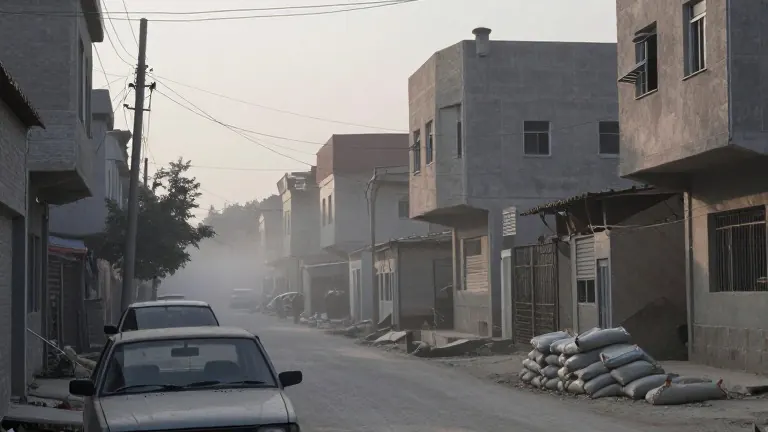
Haiti remains one of the most unstable countries in the Western Hemisphere, with violence concentrated in the capital, Port-au-Prince.
One of the country's most powerful armed groups announced on Friday that it has contacted the government agency tasked with dismantling gangs.
The 400 Mawozo gang sent a three-page statement to The Associated Press on Friday. The group described the move as a step toward peace, stability, and national reconciliation.
The statement emphasized that entering into dialogue is not a surrender. It framed the contact as an act of patriotic responsibility designed to preserve human lives.
Wilson Joseph, the leader of 400 Mawozo, previously told the AP on Nov. 1 that he wrote to the U.N. secretary-general. He requested a delegation to Haiti to facilitate mediation. This request came amid concerns that the presence of Salvadoran troops might escalate violence.
The group refers to itself as a rebel organization. It plans to join a peaceful demonstration later this month. The goal is to establish a foundation for national dialogue and peace negotiations.
Haiti’s National Commission for Disarmament, Demobilization, and Reintegration confirmed that an individual contacted them on behalf of the armed group. The commission stated it works alongside the prime minister's office. It noted that any dialogue with armed groups must follow the government's proposed roadmap.
The letter arrived as police and foreign forces continued operations against gangs. Haitian Prime Minister Alix Didier Fils-Aimé posted on X late Friday that a gang leader was killed. He did not initially name the individual. The Haitian National Police later identified the leader as Mathias, who led the Boston gang out of the Cité Soleil slum.
Police said several gang members were injured or killed in the joint operation. The force urged residents to surrender illegal weapons to change their lives. Fils-Aimé wrote on X that the gangs would not get any sleep.
A spokesperson for 400 Mawozo, who spoke on condition of anonymity, said the gang is willing to engage in peace negotiations. The spokesperson described disarmament as a process rather than a single event.
When asked what the group seeks in return, the spokesperson cited peace and an end to international interference. The gang asked for relevant military forces to pause operations in specific areas. It wanted this pause to allow for the opening of dialogue.
The group expressed concern over social media posts targeting Joseph’s home. Joseph is also known as Lanmò Sanjou. Comments attributed to El Salvadoran President Nayib Bukele specifically drew attention to the residence. Bukele responded to a post showing the house by asking for the exact address so it could be destroyed. The gang called the home a symbol of peace and invoked the Geneva Conventions to protect civilian property. El Salvador's government declined to comment on Friday night.