Kuleba: Ukraine's new peace talks face pressure from US and Russia
Former foreign minister argues that European involvement is limited and that financial leverage is the key variable in the ongoing negotiations.
By Dominic Foster ·

Ukraine is entering a new round of diplomatic talks with the United States and Russia, a process that former Foreign Minister Dmytro Kuleba says is fundamentally different from previous attempts because it was initiated by President Donald Trump. European leaders are being drawn into these discussions, but their roles are distinct. Finnish President Alexander Stubb and Norwegian Prime Minister Jonas Gahr Støre have engaged with Russian President Vladimir Putin, though the Russian side has largely excluded other European powers from the core group.
Kuleba, who led Ukraine’s Ministry of Foreign Affairs for over four years, argues that the current dynamic places specific weight on Norway. He describes Norway as a key player for Ukraine because it is one of the largest financial donors and a participant in the F-16 fighter jet supply program. In his view, financial support is the most critical issue determining the future of the war, more so than immediate military aid. He notes that European leaders currently face internal budget battles within the European Union, which could affect their ability to promise long-term funding to Kyiv for 2027 and beyond.
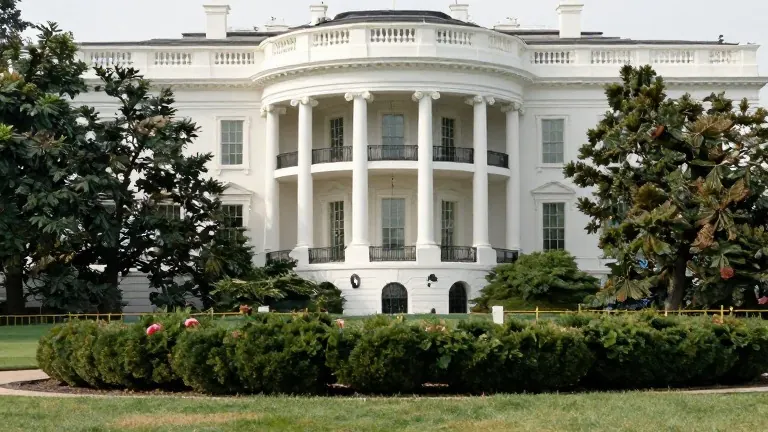
The former minister believes the United States is currently applying pressure on Ukraine to become more compliant in negotiations. He cites reports that Secretary of War Pete Hegseth is withholding approval for the transfer of purchased Patriot and NASAMS air defense systems. Kuleba suggests this tactic is designed to push Ukraine toward a quicker agreement. He contrasts this with the period in late February 2025, following a contentious Oval Office meeting, when official intelligence sharing halted and support programs were wound down. He calls that period the most dramatic moment of the war, a time when Ukraine had to rapidly adapt to the sudden withdrawal of American backing.
Regarding Russia’s intentions, Kuleba expresses skepticism that Putin is seeking a durable peace. He suggests the Russian leader may be using the negotiations to test what can be gained at the table that cannot be gained on the battlefield, while also attempting to appease the Trump administration. Kuleba references a November 2021 memorandum from the Russian Foreign Ministry to the US delegation, which requested that NATO borders be rolled back to their 1997 positions. He argues this demand would leave the entire former Warsaw Pact region defenseless and reflects a Russian desire to restore the post-World War II order under Moscow’s influence.
Kuleba notes that a segment of the Ukrainian public is becoming open to a scenario where Ukraine concedes territory to end the conflict. He compares this to the historical precedent of Finnish leader C.G. Mannerheim, who accepted territorial losses to preserve state independence. However, Kuleba warns that this hypothesis relies on the assumption that Putin will be satisfied with the Donbas region, a claim he questions given historical documents. He concludes that the Russian imperial project remains incompatible with an independent, sovereign, and European Ukraine, meaning only one of the two projects will ultimately survive.