Readfield farmer cites zero losses in decade without traps
Arielle Cousens argues that layered fencing and secure coops are more effective than trapping for protecting backyard livestock from predators.
By Dominic Foster ·
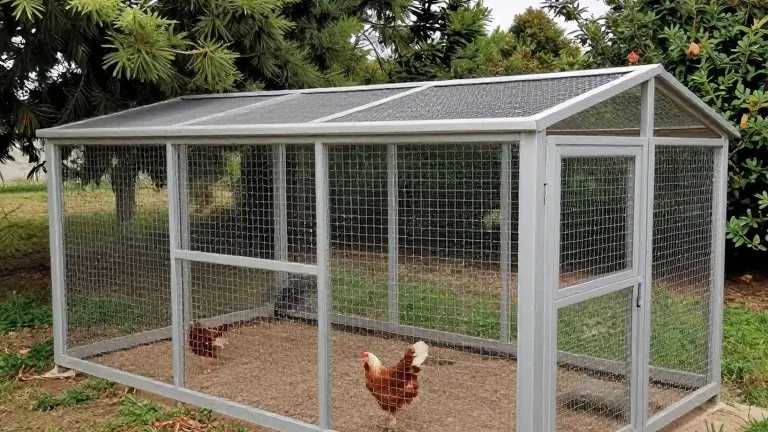
Arielle Cousens, a resident of Readfield, says she has lost no livestock to predators in more than ten years of keeping chickens. Her approach relies on physical barriers and habitat management rather than the use of traps, a method she describes as a source of suffering for both wild animals and pets.
Cousens writes that an Oct. 19 report titled “Interest in trapping grows in Maine” spread misinformation about how to control predator populations. She argues that if predators are killing backyard chickens, the coops, runs, or yards are insecure. She notes that neighborhood dogs could also kill the birds if the enclosures are not properly fortified.
The core of her strategy involves layers of protection. She places the coop in the center, uses wire or electrified netting for the chicken yard, and adds a perimeter fence to disrupt predator travel-ways. This design forces predators to reroute and avoid the yard entirely. She also recommends keeping the most vulnerable livestock in the center, surrounded by larger animals that access the outer pastures.
Cousens provides trees or shrubs to offer protection from sky predators. She has observed foxes, coyotes, hawks, eagles, fishers, and weasels regularly on her property. Despite these encounters, she has not killed any predators and has maintained her flock without loss.
She states that responsible animal keeping is achievable without high costs. It requires understanding predator behavior to keep them at bay naturally. She calls the hunting or trapping of predators to address a specific problem a fool’s errand, emphasizing that the goal is to manage the environment rather than eliminate the animals.