Texas Democrats' Sweep Sparks Online Debate Over Republican Exodus to Florida
Social media users and political figures discuss a potential mass migration from the Lone Star State following the loss of key statewide offices.
By Dominic Foster ·
The political center of gravity in Texas shifted sharply on Tuesday as Democrats secured victories across the board. The party won the governor's mansion, flipped the U.S. Senate seat, and captured several other statewide offices. This historic sweep triggered immediate reactions from conservative voters who had long considered the state a Republican stronghold. Questions regarding the long term viability of Texas politics began to circulate online almost immediately after the results were finalized.
The timeline of this political realignment builds on years of demographic shifts that eventually culminated in Tuesday's election. For decades, Texas served as a reliable source of Republican votes. However, the recent election cycle marked a decisive break from that pattern. Democrats unified behind their candidates, and voters in key urban and suburban areas delivered a mandate for change. The speed of the Democratic takeover caught many local party leaders off guard, prompting an immediate assessment of what the new government structure would mean for business and policy.
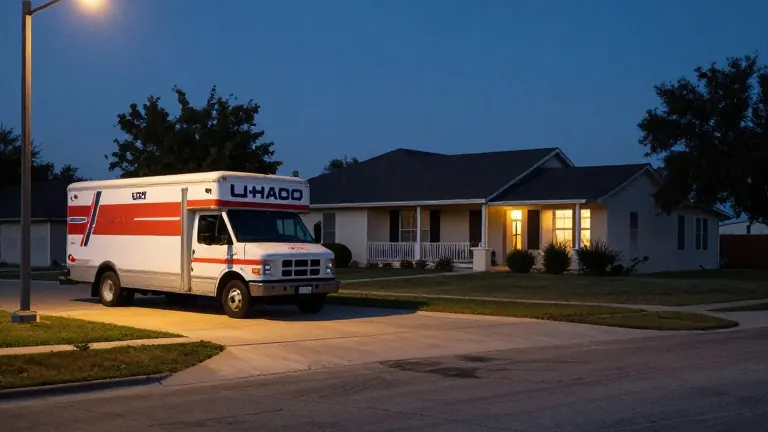
Online discourse quickly turned to the idea of a mass exodus from the state. Users on X shared memes and images depicting Texans packing U Haul trucks to move to Florida. One viral post paired a photo of Joe Rogan, who relocated from California to Austin in 2020, with a caption joking about a second move to Miami. The user wrote, "Yeah man I got out of Austin at the perrrfect time. You couldn't have timed it better. Miami is where it's at." This visual metaphor captured the frustration felt by many who viewed the election results as a signal to leave the state.
Political figures joined the conversation with varying levels of seriousness. Florida Governor Ron DeSantis, who described the midterm results as an "extinction level event for Republicans," engaged directly with the online chatter. When a user asked how soon Elon Musk might move his companies from Texas to Florida, DeSantis replied, "LFG! Can he do a large Tesla SUV while he's at it?" Musk himself posted a brief update on X early Wednesday morning, noting that "Data centers in space looking pretty appealing right now." This comment followed his apparent defeat in the race for the Senate seat, a contest in which he spent nearly half a billion dollars on backing Republican candidates.
Some users took the prospect of leaving more seriously than those who shared jokes. One user stated they would break their lease and move to Florida as soon as possible if Texas state lawmakers agreed to gun control or tax increases. "If Texas state senators cave and agree to any gun control or any tax increases, I'll break my lease and be out to Florida asap," the user wrote. Other participants in the thread questioned whether companies that recently announced relocations to Texas would reconsider those decisions. One reply to that query noted, "Don't come to Florida. We barely hung on."
Speculation about the destination of potential migrants extended beyond Florida. One user expressed concern that a large number of Texans might head to Colorado instead. The user noted that Texas owned vacation homes are already common in the Durango and Pagosa areas. "My biggest fear now is that all the people fleeing Texas are gonna move to Colorado. I hate it," the user wrote on Wednesday morning. This fear of overcrowding in neighboring states added another layer to the debate about the economic and social impact of a potential political exodus from Texas.
The scheduled next steps for the newly elected officials involve taking office and forming their administrative teams. The governor electe will address the state legislature to set an agenda for the coming session. Business leaders will monitor the new administration for changes in regulatory policy and tax structures. The immediate focus remains on the transition of power in Austin and the subsequent policy decisions that will shape the state's direction under Democratic leadership.