Apple drops weight and price barrier for its first touchscreen MacBook Pro
The new 14-inch and 16-inch models feature lighter chassis, a glowing logo, and a $400 price premium over standard M-series laptops.
By Dominic Foster ·
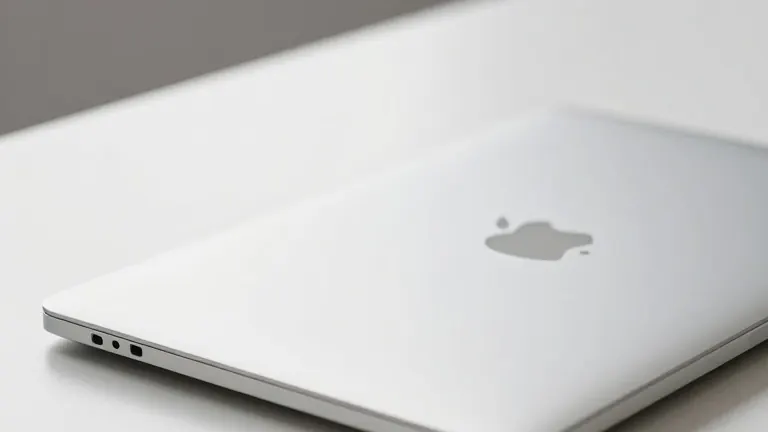
Apple has released its first touchscreen laptop, a direct reversal of a design philosophy the company held for over a decade. Steve Jobs once dismissed touch interfaces on laptops as ergonomically terrible, a stance Apple maintained until launching the new MacBook Pro line today.
The new hardware addresses the physical drawbacks of previous designs. The 14-inch model with the PROLED XDR display weighs 3 pounds. This is noticeably lighter than the current non-touch M6 models, which start at 3.4 pounds. The difference is more pronounced in the larger 16-inch model, which weighs 4 pounds. By comparison, the M5 Pro version without a touchscreen weighs 4.7 pounds. The 16-inch device also sits slightly thinner and has a smaller footprint than its predecessor, though the materials feel identical to recent MacBook Pros.
Apple also reinstated the glowing Apple logo on the back of the chassis. The feature returned to the lineup after years of utilitarian design, drawing visible excitement from the audience during the product introduction.
The touch interface functions similarly to other Apple devices. Users can swipe to scroll, pinch to zoom, and double-tap to maximize windows. macOS translates taps into clicks for third-party applications that have not yet been updated for touch support. However, interacting with small buttons via finger remains difficult, a common challenge for any touch-based laptop.
The new models carry a higher cost than their non-touch counterparts. The touchscreen OLED version starts at $2,899. This price is $400 higher than the M5 Pro MacBook Pro with similar specifications.
The company did not announce a release date or specify which exact processor powers the base touch models beyond the display technology name.