
Chefs Detail the Rules for Building a Proper Charcuterie Board
Experts advise hosts to prioritize meat over cheese, calculate precise portion sizes, and select seasonal fruits to create a balanced spread.
By Yasmin Nasser ·
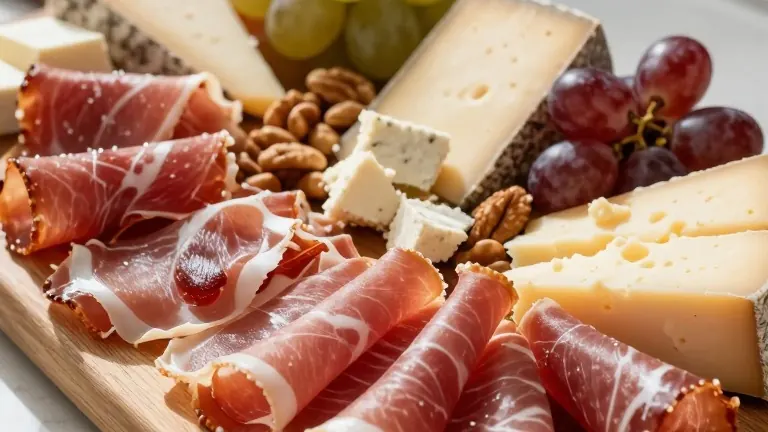
Chefs and caterers say the difference between a disappointing snack and a centerpiece comes down to specific structural rules. Serge Krikorian, owner of Vibrant Occasions Catering, states that an unexpected ingredient is what transforms a standard platter into a conversation piece. He notes that the arrangement creates social connections. "Charcuterie boards actually have a lot of ways of getting people connected," Krikorian said.
Sarah Simms, co-founder of Lady & Larder, emphasizes that quality outweighs quantity. She recommends hosts visit local farmers markets to identify what is currently in season. Simms argues that the meat component defines the category. Charcuterie is a French term for prepared pork products including ham, sausage, pâtés, salami, and confit. "So, if there is no charcuterie involved, it is not considered a charcuterie board," Simms said. She lists prosciutto, coppa, salami, and pâté as top choices.
Portioning requires calculation before assembly. Simms suggests two to three ounces of meat and cheese per person for an appetizer. If the board serves as the main course, that amount doubles. Cheyenne Nichols, owner of Finest Cravings, advises beginners to limit their selection to two to four varieties. She suggests pairing mild salami with Brie to keep the flavor profile simple.
Cheese selection requires variety in texture and milk source. Simms recommends three to five kinds, drawing from cow, goat, sheep, or buffalo milk. Emmy Rener, founder of Sophisticated Spreads, suggests anchoring the board with a soft cheese like goat cheese, Brie, or Camembert. She pairs this with a crumbly option such as Parmesan or aged cheddar. Rener also includes a blue cheese for flavor contrast and suggests manchego or wine-soaked cheeses for visual appeal. Simms encourages sampling at neighborhood cheese shops to find new options.
Accompaniments must match the season. Rener advises using cherries in spring, peaches in summer, and pears in winter. Year-round staples include grapes, strawberries, blackberries, and raspberries. For nuts, Rener recommends mixing two to three types. A neutral choice like cashews or almonds should pair with bolder options such as caramelized pecans, spicy pistachios, or honey roasted peanuts. Simms lists local honey, honeycomb, seasonal jam, and grainy mustard as suitable spreadables.
The serving surface impacts both function and appearance. Wood and marble are the standard materials. Wood is favored for sturdiness, while marble keeps food colder and offers a more elegant look. Rener notes that wooden boards require cleaning after each use and monthly conditioning to prevent cracking. The board must be large enough to hold all items without overcrowding.
Final arrangement dictates the visual impact. Rener warns against plain stacks. She suggests creating a "salami river" or flowing ribbons of prosciutto across the surface. Color and texture provide contrast. Red grapes appear more elevated than green ones, and darker berries like blackberries add height. Small bowls hold nuts and olives, while mini dishes contain jams and spreads to prevent cross-contact.
More Business · National news · Rip-Off Report · Report a business · Got a Story?