Democracies reclaim young and minority votes
New polling data shows a sharp reversal of 2024 trends among voters under 30, Hispanic Americans, and Black men.
By Dominic Foster ·
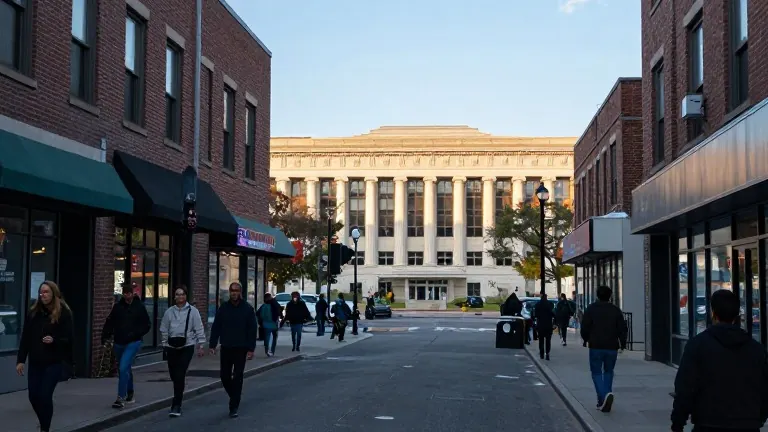
Democratic candidates regained lost ground with key voter groups in the 2026 midterms.
The Associated Press Voter Poll surveyed more than 100,000 voters across all 50 states. The results indicate a major shift from the 2024 presidential election. President Donald Trump had previously made gains with these demographics. That advantage has largely reversed.
In 2024, Vice President Kamala Harris and President Trump were roughly evenly matched among voters under 30. The AP VoteCast survey from that year showed a near split in this group. By contrast, the 2026 data shows about seven in 10 young voters backed Democratic House candidates. Only about three in 10 voted for Republicans. This represents a dramatic swing to the left. First-time midterm voters also leaned heavily Democratic.
Hispanic voters moved in a similar direction. In 2024, roughly four in 10 Hispanic voters supported Trump. In the 2026 local House races, only about one-third backed Republicans. About six in 10 Hispanic voters chose Democratic candidates nationally. This shift was visible in the Texas Senate race. Democrat James Talarico won the seat against Republican Ken Paxton. The poll found that about six in 10 Hispanic voters in that race supported Talarico. Only about three in 10 voted for Paxton. In the Florida Senate race, Republican Ashley Moody won reelection. However, less than half of Hispanic voters supported her, a drop from Trump's clear win with that group two years earlier.
Black voters also shifted back toward the Democrats. In 2024, roughly one in four Black men supported Trump. In the 2026 House races, only about one in 10 Black men voted for Republicans. Approximately nine in 10 Black voters supported Democratic candidates, up from about eight in 10 who voted for Harris in 2024. These numbers were decisive in the Georgia governor's race. Keisha Lance Bottoms became the first Black woman elected to that office. About nine in 10 Black men voted for Bottoms. That is a rise from the three-quarters who supported Harris in 2024. In Florida, Republican Byron Donalds won the governor's race as the first Black governor from that party. However, his support among Black men was lower than Bottoms' in Georgia, with only about one-quarter of Black men voting for him.
Moderate voters also played a key role in several Senate victories. About two-thirds of moderates supported Democratic House candidates, an increase from the six in 10 who backed Harris. A large majority of these voters said Congress had not done enough to check presidential power. They also cited inflation as a source of financial strain. In Kansas, Democrat Adam Hamilton won about seven in 10 moderate voters. In Iowa, Democrat Josh Turek secured about two-thirds of that group. In North Carolina, Democrat Roy Cooper won about three-quarters of moderates.
Economic concerns drove voting choices for lower-income households. More than half of voters with a 2025 household income under $50,000 voted for Democratic House candidates. In 2024, this income group was evenly split between Trump and Harris. About 30 percent of national voters reported an income below that threshold. These voters were more likely to cite the cost of food, gas, and utilities as primary concerns. About six in 10 low-income voters said the cost of living was crucial to their decision. That figure was higher than the share of voters earning $50,000 or more who said the same.
The AP Voter Poll data captures these demographic shifts as of the 2026 election cycle. The survey reflects voting behavior in local House races and key Senate and gubernatorial contests. The results show that the coalition Trump built in 2024 with young, Hispanic, and Black voters did not persist into the midterms.
More Politics · Portland news · Report a business · Got a Story?