Democrats Seize Both Chambers but Face Veto Wall
New House Speaker Hakeem Jeffries pledges to fight for affordability, yet the party lacks the votes to override presidential vetoes.
By Dominic Foster ·
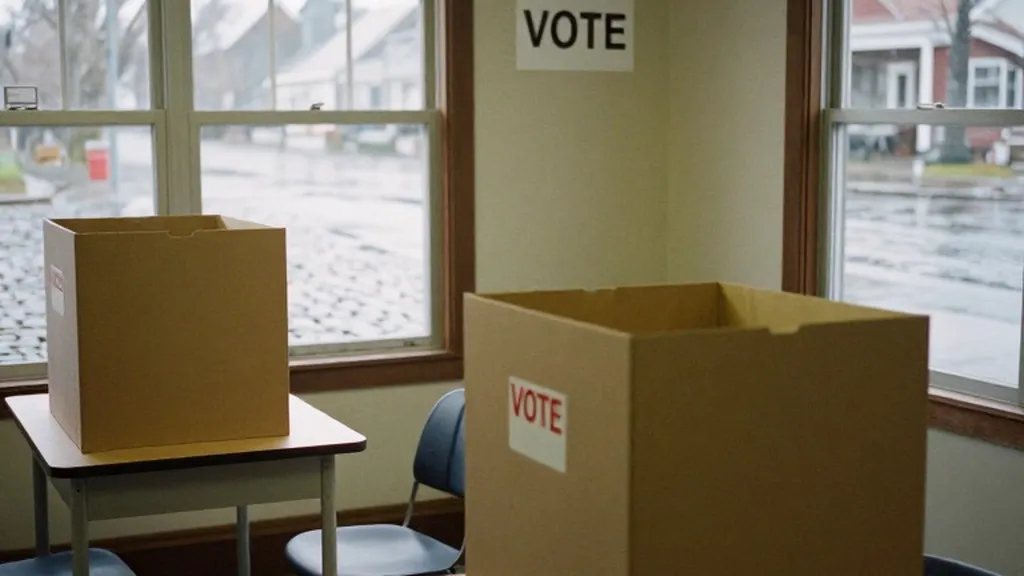
Midterm voters in 2026 sent a clear economic signal, but the new congressional leadership faces immediate structural limits. Democrats captured both the House and Senate this week, setting up a two-year period where they control the legislative agenda.
Hakeem Jeffries, the presumptive next speaker of the House, stated his group will fight to make the country affordable for every American. He emphasized that the party is clear-eyed about its mandate as it prepares to take office in January.
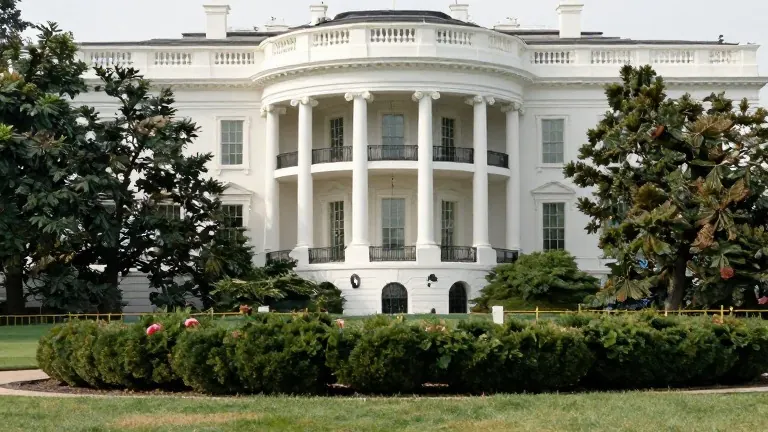
The primary obstacle is the presidency. Democrats hold a majority in both chambers, but not the two-thirds supermajority required to override a presidential veto. NPR congressional correspondent Barbara Sprunt noted that voters may feel disappointed if lawmakers do not deliver tangible results on cost of living.
Matt Bennett, co-founder of the centrist Democratic think tank Third Way, argued that the campaign message was often misunderstood. He said Democrats promised to check the executive branch for two years and then improve lives in 2028. Bennett warned that voters might have heard only the second part, leading to potential disappointment if changes are not visible immediately.
Lawmakers plan to force executive action by leveraging their control over the floor. Sprunt cited the previous year’s successful push to release Epstein files, where Republicans voted nearly unanimously with Democrats after initial resistance. She also pointed to the 2007 minimum wage increase, which was signed by Republican President George W. Bush.
Energy policy presents a specific challenge regarding high gas prices. Congress lacks a direct mechanism to lower fuel costs without addressing the war in Iran. Lawmakers could force a vote on a war powers resolution or attach funding restrictions to appropriations bills. Both options carry the risk of a veto, though Sprunt noted that presidents of both parties have historically ignored war powers resolutions.
Senator Kirsten Gillibrand of New York suggested that sending popular, bipartisan bills to the desk serves a political purpose. She said she dares the president to veto measures restoring Medicaid or improving access to affordable medicines. By forcing a vote on popular issues, Democrats can place the blame for legislative gridlock squarely on the executive branch.