Florida ballot measures target state reserves and property taxes
Voters face a 60 percent approval hurdle on three amendments affecting budget surpluses, farm equipment, and home assessments.
By Yasmin Nasser ·
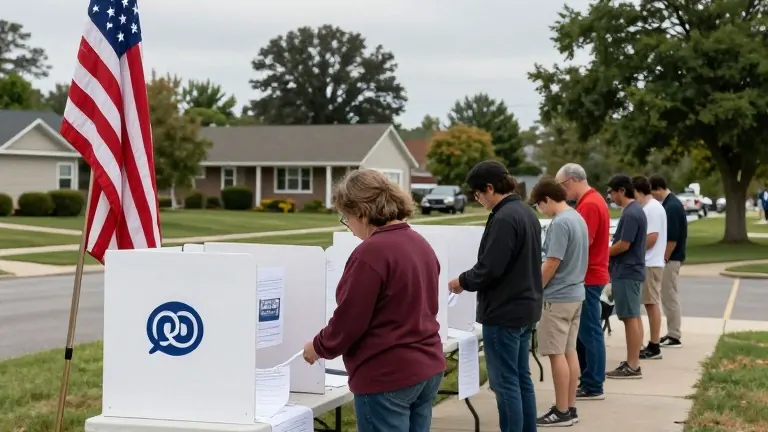
Florida voters will decide on three constitutional amendments on Nov. 3 that determine the state's financial reserves and property tax structure. Each measure requires a supermajority of 60 percent to pass. The Florida Department of State confirmed these thresholds.
Amendment 1 seeks to expand the state's Budget Stabilization Fund. The current cap allows the fund to hold 10 percent of net general revenue. The proposed change raises that limit to 25 percent. The amendment directs the legislature to deposit up to $750 million annually into the reserve until it reaches the new cap. Lawmakers retain the authority to suspend deposits or withdraw funds during natural disasters, revenue shortfalls, or other critical state needs.
Amendment 2 addresses taxes on agricultural equipment. The proposal eliminates tangible personal property taxes on machinery used in farming, ranching, and agritourism. Qualifying assets include tractors, irrigation systems, harvesters, and livestock tools. The equipment must be habitually located on legally classified agricultural land. Ownership must reside with the landowner or leaseholder, and the items must be actively used for production or agritourism activities such as farm tours.
Amendment 3 modifies homestead tax exemptions and assessment caps. The measure expands non-school homestead exemptions to $250,000 by 2028. It also lowers the annual assessment growth cap for non-homestead properties from 10 percent to 5 percent. This reduction applies to second homes, commercial buildings, and rental units starting Jan. 1, 2027. Local governments have not yet determined how they will adjust budgets if revenue shortfalls occur.
If approved, the initial provisions for the tax changes take effect Jan. 1, 2027. The measures alter how the state manages surplus funds and how specific property classes are taxed. The outcome depends on voters meeting the high approval bar for constitutional changes.