iPhone Duo hardware rivals Android foldables, but software lags
Apple’s first foldable matches Samsung and Xiaomi on build quality, yet iOS app optimization and multitasking limits create a user experience gap that Android devices do not face.
By Yasmin Nasser ·
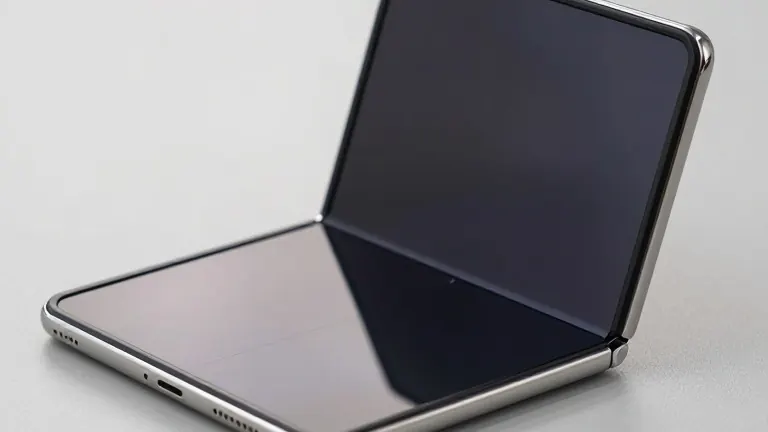
Apple’s iPhone Duo matches the hardware of top Android rivals, but its operating system currently provides a less refined experience for foldable phone users. The device competes effectively with the Samsung Galaxy Z Fold 8 and Xiaomi 18 Fold in physical build and display quality. However, the software environment on the Duo lacks the flexibility and app optimization that Android users have come to expect from their devices.
The gap between the hardware and software experiences is the primary differentiator for the new device. Apple’s hardware team delivered a product that feels polished and durable. The software team, however, is still adjusting to the unique constraints of a folding screen. This creates a situation where the physical device is competitive, but the digital experience is often more restrictive than on competing Android phones.
Apple entered the foldable market with a device that weighs more than its competitors. The iPhone Duo is heavier than the Galaxy Z Fold 8 and the Xiaomi 18 Fold, even though it has a similar screen size. This extra weight makes one-handed use difficult and adds to the perception of bulk. The phone is also slightly thicker than some rivals, though this difference is less noticeable in daily use.
The physical design of the Duo features a curved frame and a Ceramic Shield back. The hinge operates with a smooth magnetic click that reviewers describe as satisfying. The device carries an IP68 water resistance rating, which puts it on par with Google and Honor foldables but ahead of many other Android options. Despite these strengths, early reports of non-impact screen damage suggest the hinge may still be undergoing its initial period of refinement.
The inner display of the iPhone Duo uses a matte nano-texture finish. This surface reduces glare and helps hide the crease in the middle of the screen. The crease is visible from certain angles and can be felt by touch, but it is less prominent than on some Google and Honor devices. The under-display camera is a more noticeable flaw, appearing as a pixelated circle that lacks the matte coating of the surrounding screen.
Camera performance on the Duo is comparable to the Galaxy Z Fold 8, featuring two 48-megapixel rear lenses. This setup is less versatile than the triple-camera arrays found on many Android competitors, which often use larger sensors. The front-facing camera is basic, and users often find it easier to flip the open phone to use the rear cameras for selfies. Battery life supports a full day of mixed use, though it does not match the two-day endurance of the Honor Magic V6.
Software optimization remains the largest hurdle for the iPhone Duo. Many apps do not fully utilize the right-hand rail on the device, leaving empty black bars in places where controls should appear. Some applications, such as Bluesky and Duolingo, display in thin strips with large black margins on the Duo. They run more effectively on Android foldables where the interface scales to the full screen size.
Multitasking on the Duo is more limited than on Android devices. Apple allows two apps to run in split-screen mode, but only in landscape orientation and with each app taking up exactly half the display. Competitors like Xiaomi allow up to six apps to run side by side, while Oppo offers fluid floating windows. The rigid split-screen implementation on iOS feels basic compared to the adaptive multitasking tools available on Android.
The next steps for the iPhone Duo depend on app developers adapting to the new hardware. Google Maps, Instagram, and Google Translate have recently updated their interfaces to better fit the screen. Apple’s long-term success with the foldable format will rely on improving the consistency of navigation gestures and expanding multitasking capabilities. Until those changes are widespread, the Android foldables offer a more mature and flexible user experience.
The iPhone Duo is a solid first-generation product that stands on equal footing with the Galaxy Z Fold 8 in terms of physical quality. The main advantage it holds over its rivals is the matte screen finish. The main disadvantage is the software, which has not yet caught up to the years of iterative improvement seen in the Android ecosystem. For now, the hardware is ready, but the software needs time to mature.