Kansas City World Cup yields $80 million less in spending than projected
The metro area attracted more visitors than expected but generated $570 million in direct spending, falling short of the $650 million target set by city officials.
By Yasmin Nasser ·
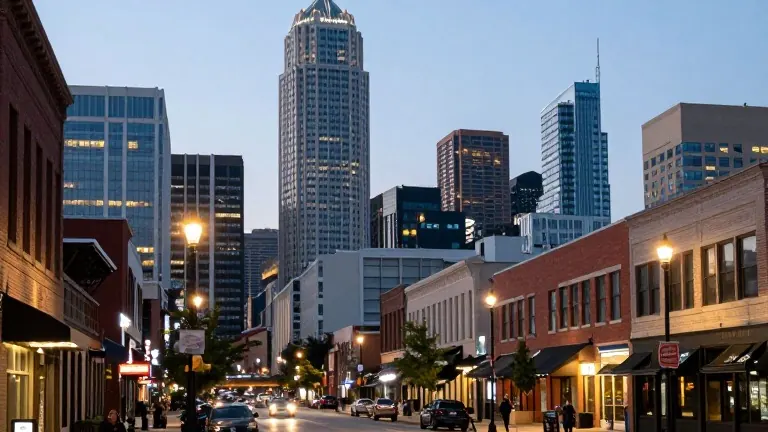
Kansas City spent approximately $200 million in public funds to host matches for the FIFA World Cup, a financial investment that resulted in higher visitor numbers but lower total economic output than initially forecast. While the city, the smallest host location for the 2026 tournament, exceeded its attendance targets, the total money spent by those visitors came in $80 million below projections.
VisitKC, the region's tourism and marketing organization, estimated that 680,000 people traveled to Kansas City between June 11 and July 19. This figure surpassed the pre-tournament prediction of 650,000 visitors. The organization defines a visitor as any individual entering the city from outside for a single trip, meaning one person returning for a second trip counts as two visitors.
Despite the higher headcount, direct spending across nine counties in the metropolitan area reached $570 million. This amount is lower than the $650 million that VisitKC originally projected. Kathy Nelson, president and CEO of VisitKC and the Kansas City Sports Commission, attributed the shortfall primarily to fewer international travelers and longer-term guests than anticipated.
International visitor numbers were hindered by concerns regarding U.S. immigration enforcement. Travelers faced the prospect of $15,000 entry bonds or detention by U.S. Immigration and Customs Enforcement. Nelson noted that travel from Canada also dropped more than expected. The largest groups of international visitors came from Argentina, the Netherlands, Ecuador, and Mexico.
When international guests did arrive, their stays were shorter than the guidelines provided by FIFA. The governing body advised host cities to expect an average stay of 10 nights. Nelson reported that the actual average for international guests was only two to three nights. Additionally, the four base camps in Kansas City and Lawrence did not attract as many long-term residents as officials had predicted.
Spending was concentrated in the food and beverage sectors, partly due to extended operating hours at local bars. Hotel revenue in the area exceeded $119 million between June 14 and July 11. Short-term rental properties saw a 16.5 percent increase in bookings compared to the previous year, with room revenue rising more than 76 percent. These rentals contributed $15.6 million to the total direct spending.
Mayor Quinton Lucas stated that the tournament's success will help the region attract other major events. He cited the NCAA Men's Final Four, the FIFA Women's World Cup, and the Men's Rugby World Cup in 2031 as potential future hosts. Lucas described the event as a way to increase revenue for local government coffers and support the construction of new restaurants and businesses.
The city implemented new services for residents during the tournament period. The Open Doors! program provided support to small businesses, while parks and public facilities underwent improvements. The Kansas City Area Transportation Authority increased service levels, and Johnson County, Kansas, added a direct transit line to the airport. Lucas expressed hope that some of these infrastructure upgrades will become permanent features of the region.
Nelson emphasized that the economic impact was substantial for a two-month period. She stated that the $570 million in direct spending was a record for the region's career and lifetime experiences. The city's planning committee, KC20206, managed the logistics for the event, working alongside local governments to coordinate transit and public spaces.
More Business · Rip-Off Report · Report a business · Got a Story?