Lebanon's energy costs and inflation squeeze Palestinian refugees
UNRWA faces a $200 million deficit while 222,000 residents in camps struggle with rising bills and limited job options.
By Dominic Foster ·
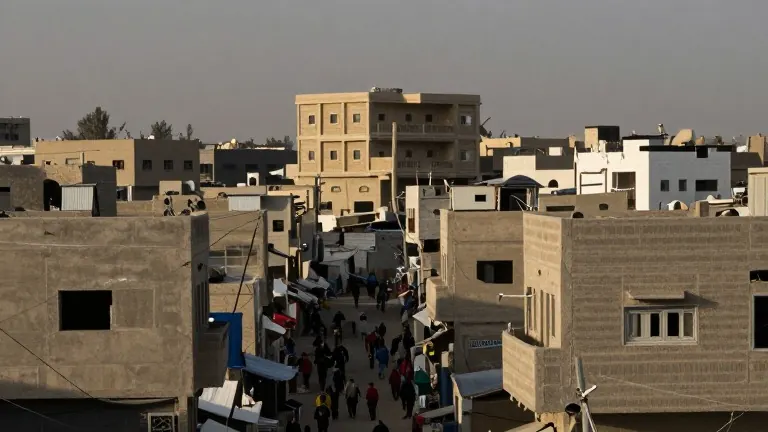
Osama Najjar closed his aluminium shop in the Beddawi refugee camp in Tripoli in early 2024. He cited rising electricity bills and stagnant business volume as the primary reasons for shutting down. Since then, he has struggled to find new employment in a market that offers few options for his community.
The economic pressure on Palestinians in Lebanon has intensified due to high energy prices and domestic inflation. The World Bank predicts Lebanon's inflation rate could reach 17.5 percent in 2026. The state provides only a few hours of electricity per day, forcing residents to rely on private generators. This dependency increases household costs for people living in one of the country's most vulnerable communities.
Palestinian residents face structural barriers in the labor market. Lebanon bars them from working in specific professions, including medicine, law, engineering, and pharmacy. Owning a small business often serves as the main source of income, regardless of educational background. In February 2026, the government introduced a mechanism allowing Palestinian nursing students to apply for employment sponsorship. However, experts note that these changes do not alter the broader exclusion of Palestinians from the labor force.
The United Nations agency for Palestinian refugees, UNRWA, recognizes 12 camps in Lebanon. Its Lebanon office reported that approximately 222,000 Palestinians resided in the country as of February 2025. Elia Ayoub, a UK-based researcher, described the treatment of these residents as discriminatory. He noted that Palestinians can study for many top professions but cannot work in them, nor can they own land or hold seats in parliament.
Financial support for these communities has faced strain. Many countries cut funding to UNRWA in 2024 following allegations from Israel regarding the agency's employees. Although several states have since reinstated funding, the agency reported in September that it faces a minimum financial deficit of $200 million between the end of 2026 and the start of 2027. In July, UN Secretary-General Antonio Guterres warned of a funding shortfall of about $100 million.
As living costs rise, more residents are seeking to leave by sea. The number of vessels attempting to cross the Mediterranean to Europe doubled between 2020 and 2021 and increased by 121 percent in 2022, according to the Friedrich Naumann Foundation. In 2022, at least 86 people died when a boat leaving Lebanon sank off the coast of Syria. Many of the victims were Palestinians from the camps.
The European Union approved a support mission in late October to help strengthen security forces in Lebanon, including maritime security governance. Najjar said conversations about boarding boats to reach Turkiye and then Greece are common in the camps. He stated that the poor situation for Palestinians in Lebanon continues to drive these decisions despite the risks.
Najjar remains in Beddawi, where he notes that high prices and electricity costs are the most pressing daily concerns. He described the overall situation in the camps as tragic, with few signs of immediate economic relief.
More Business · Rip-Off Report · Report a business · Got a Story?