Paris Court Opens War Crimes Probe into 2024 Beirut Airstrike
French judges will examine a complaint alleging an Israeli strike on a residential building in Beirut constituted a war crime, a case that follows a new round of fighting between Israel and Hezbollah.
By Yasmin Nasser ·
The Paris Judicial Court has launched a judicial investigation into a war crimes complaint regarding an Israeli airstrike on a residential building in Beirut. The probe focuses on a strike that took place in November 2024. The move marks the first time a French court has opened a formal investigation into this specific incident.
The complaint was filed in the spring of 2026 by Ali Cherri, a French-Lebanese artist, along with the International Federation for Human Rights (FIDH). Cherri served as a civil party in the filing. His lawyer, Clemence Bectarte, confirmed the opening of the investigation to the AFP news agency on Tuesday. Bectarte described the appointment of two investigating judges by the court's crimes against humanity unit as a precedent-setting step.
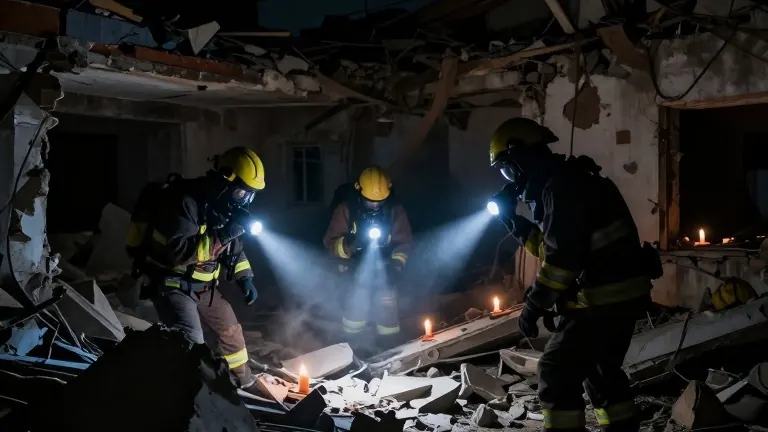
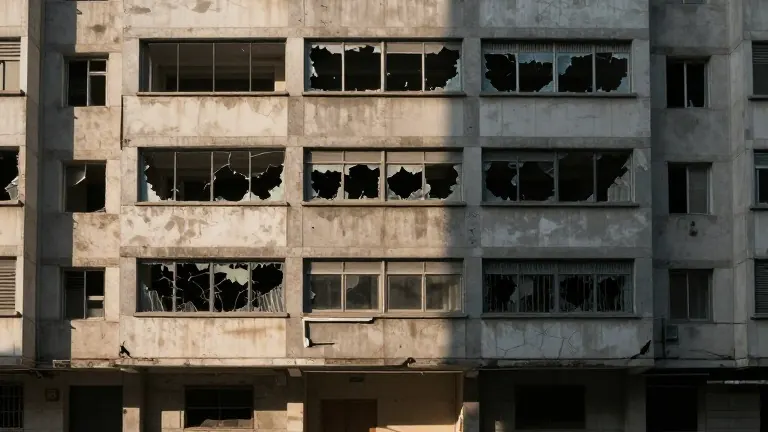
The strike occurred at approximately 5:30 p.m. on November 26, 2024. It hit an apartment building in the Barbour district of central Beirut. The attack destroyed a ninth-floor apartment owned by Cherri, as well as units on the seventh and eighth floors. FIDH identified the dead as Cherri's parents, Mahmoud Naim Cherri and Nadira Hayek, and a domestic worker named Birki Negesa. Five other civilians also died in the strike.
Cherri stated that he has fought for nearly two years to ensure the bombing that killed his parents does not go unpunished. He noted that the strike happened hours before a ceasefire agreement between Lebanon and Israel was due to take effect. Cherri added that he hopes the investigation will break the impunity enjoyed by Israeli officials responsible for attacks on civilians in Lebanon and Palestine. He emphasized that the death of his parents was not an isolated case.
The filing argued that the bombing of a civilian building could constitute a war crime under French criminal law and international humanitarian law. The legal team drew on analysis from human rights groups Forensic Architecture and Amnesty International. Amnesty International supported the case, stating its investigation found no evidence of a military objective in or near the building at the time of the strike. The organization also noted that civilians received no effective advance warning.
The Israel Defense Forces (IDF) has previously stated that it follows international legal norms and strikes only legitimate military targets. The military stressed that Hezbollah operates in civilian areas. The IDF reached out to for comment regarding the new French investigation. The strike occurred during the 2023-2024 conflict between Israel and Hezbollah, which began when the group attacked Israel in support of Hamas following the October 7, 2023, attacks in southern Israel.
About 80,000 residents of northern Israel were displaced by Hezbollah's near-daily attacks during that period. Israel responded with airstrikes and shelling. The conflict escalated into a full-scale war in September 2024 with an Israeli ground operation in southern Lebanon. Israeli forces also assassinated longtime Hezbollah leader Hassan Nasrallah and other senior figures. A US-brokered ceasefire came into effect in November 2024.
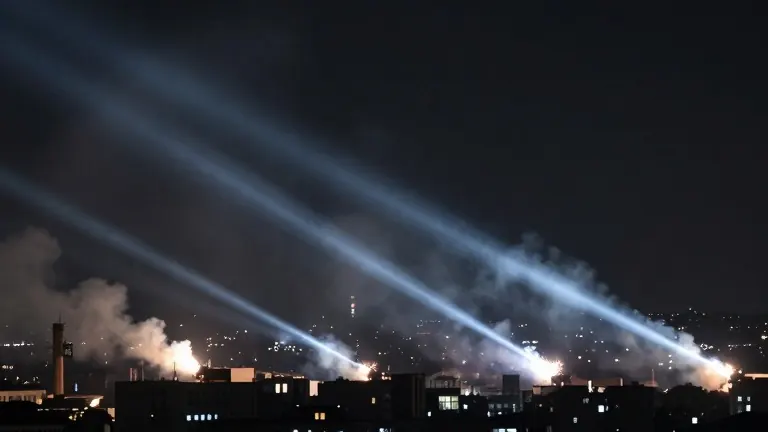
Tallies that do not differentiate between civilians and fighters indicate that around 4,000 people were killed in Lebanon during the 2023-2024 conflict. In Israel, 47 civilians and approximately 80 soldiers were killed. A new round of fighting erupted on March 2, 2026, days after the United States and Israel attacked Iran. Hezbollah began firing salvos of missiles across the border, prompting Israel to launch an aerial campaign and a ground invasion.
Beirut reports that more than 1,200 people have been killed and more than a million displaced in Lebanon since the new fighting began. Hezbollah remains heavily entrenched in civilian infrastructure in southern Lebanon. The group opposes a framework deal signed in June between Israel and Lebanon. That agreement aims to stem the conflict, lead to Hezbollah's disarmament, and facilitate an eventual IDF withdrawal. In August, Amnesty International accused Israel of war crimes in southern Lebanon and called for an international probe.