Oklahoma Groups Pour $5.5 Million Into Midterms With Half From Hidden Sources
Regulators consider stricter disclosure rules as outside spending surges ahead of the Nov. 3 vote, with nearly half of funds lacking traceable donors.
By Yasmin Nasser ·
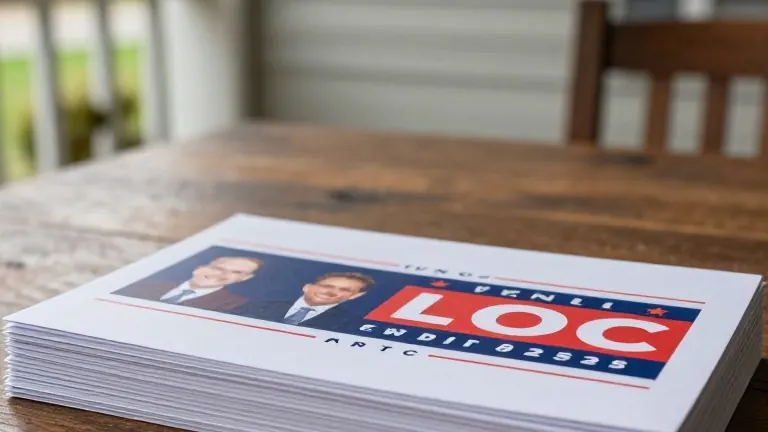
Oklahoma state regulators are weighing stricter disclosure rules after outside groups injected more than $5.5 million into the state's midterm races. The financial surge occurs as voters prepare for the Nov. 3 election, with the Ethics Commission currently evaluating how to tighten oversight of political action committees and nonprofit organizations.
Oklahoma Values, a Washington, D.C. based organization opposing Democratic gubernatorial candidate Cyndi Munson, accounts for more than half of that external spending. The PAC has organizational ties to the Republican Governor’s Association, which promised to contribute at least $3 million to support GOP nominee Mike Mazzei. Candidates themselves reported spending a comparable $5.6 million from Sept. 1 to Oct. 19, according to commission filings.
PACs also reported nearly $1.3 million in spending on state legislative contests since Sept. 1. A large portion of this funding went toward negative mailers and digital ads in several districts. In the House District 82 race, which covers parts of suburban northwest Oklahoma City and west Edmond, the Sooner Growth Alliance spent $83,000 against Democrat Travis Headd. The group had not formally registered with the Ethics Commission as of Oct. 29.
Critics argue that the current system allows funders to hide behind chains of nonprofits, making it difficult for voters to identify who is paying for attacks. This phenomenon, often called dark money, has drawn attention from both major gubernatorial candidates. Mazzei stated in June that total transparency would help clean up campaigns, while Munson criticized the influx of big money in an Oct. 21 Facebook video.
Munson said, “I think what we’re all tired of is big money coming in and flooding our TV screens and streaming services. Dark money especially, where we can’t trace back where the money is coming from.” Headd, who has raised just $250 and spent nothing since mid-August, said the attacks backfired and helped promote his name.
The Ethics Commission is looking to other states for models. In 2020, Arizona voters approved a measure requiring groups spending over $50,000 to report donors giving more than $5,000. A federal appeals court upheld that law on Oct. 1. Montana requires disclosure for spenders of $250 or more within two months of an election, and the Supreme Court declined to hear a challenge to that rule.
Commission Executive Director Lee Ann Bruce Boone noted that more sweeping changes carry a higher risk of litigation. Chair Justin Meek told the board on Oct. 8 to prioritize action on the issue. The commission typically submits proposed rule changes to lawmakers and the governor by early February. Meek said, “We need to chip away at Citizens United and do what we can under the law to provide more disclosure.”
One mailer targeting Headd used artificial intelligence to depict him as an action figure next to Rep. Alexandria Ocasio-Cortez. Another from the Oklahoma Victory Committee claimed Headd wanted men in girls’ locker rooms. The Victory Committee received funding from a network of out-of-state dark money groups, according to a July report by The Frontier.