ICE re-arrests immigrants released by federal courts in 20 cases
Attorneys report a sharp rise in re-detentions following habeas corpus wins, citing new third-country deportation strategies.
By Yasmin Nasser ·
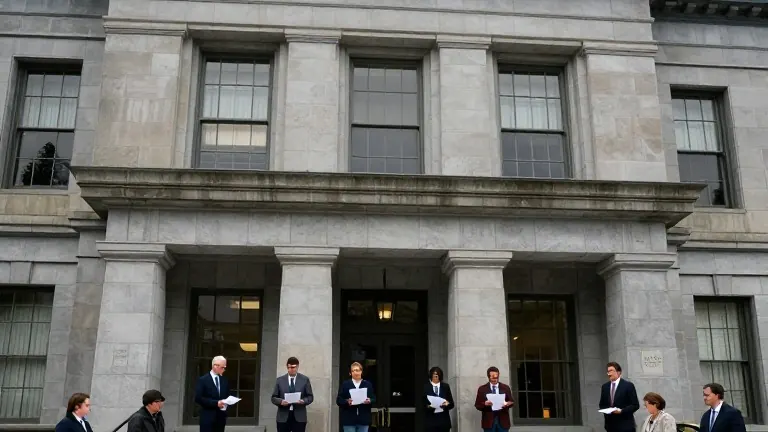
US Immigration and Customs Enforcement (ICE) has re-arrested at least 20 immigrants nationwide who had previously been released from detention by federal court orders. These individuals had won habeas corpus petitions, a legal mechanism that challenges the government's right to hold a person in custody. The re-arrests have occurred within days or even hours of the initial release, according to court records, attorneys, and media reports identified by The Guardian.
The volume of such legal challenges has surged. ProPublica research indicates that more than 91,000 habeas petitions have been filed as immigrants seek to challenge their detentions. This number exceeds the total filed during the past three presidential administrations combined, including Donald Trump's first term. The petitions have been filed at a higher rate since January 25 than in any previous period.
Bridget Pranzatelli, an attorney with the National Immigration Project, described a sharp increase in cases where clients are rapidly re-detained, often in violation of federal court orders. One client, Akram Mahmoud Omar, a 77-year-old Palestinian man, was arrested by ICE within 10 days of his release. Omar had previously suffered a heart attack while detained in Louisiana. In Minnesota, seven immigrants were re-detained before they could exit the Whipple federal building detention facility near Minneapolis.
Daniel Suitor, an attorney representing two of the men in Minnesota, questioned the legality of the immediate re-arrests. He stated that taking individuals directly from a building into the custody of officers did not comply with the court's release orders. Federal courts are beginning to address these actions. In an October ruling, the 10th US circuit court of appeals in Colorado denied the government's request to dismiss a habeas petition. The court noted that the government had a demonstrated pattern of re-detaining non-citizens who had been granted habeas relief.
In Louisiana, a federal judge held a senior federal immigration official in contempt of court for violating release orders. The judge demanded the release of Ibrahim Mohammed after he had been re-arrested three times by ICE. Similar contempt findings or threats have occurred in federal courts in Pennsylvania and Minnesota. Attorneys believe these re-detentions are linked to the Trump administration's strategy of deporting people to third countries.
Susanna Booth, a senior attorney at the Amica Center for Immigrant Rights, said the practice is tied to new agreements with primarily African nations. The administration is sending immigrants to countries other than their own, often where they have no citizenship or ties. Previously, these individuals were considered safe from deportation because their home countries would not accept them or they had legal protections. More than 25,000 non-citizens have been deported to third countries under this policy, according to human rights experts who say it may violate the Convention Against Torture.
Attorneys are now drafting habeas petitions to include specific protections against immediate re-detention. Tess Hellgren, also with the National Immigration Project, explained that courts may order the government to provide at least three days' notice before attempting to remove a person again. This notice period provides a buffer against immediate deportation flights. Some attorneys are preparing second habeas petitions in advance to file immediately before clients are moved to different states, aiming to keep cases in courts with judges who are more permissive.
The legal landscape shifted in September when an appeals court ruled that the Trump administration must provide sufficient notice of third-country deportations and allow immigrants to contest their removals. The Supreme Court subsequently granted an emergency stay of that ruling, allowing the administration to continue rapid deportations without issuing an explanation. Additionally, some immigrants facing third-country removals are now eligible for asylum after a court overruled a Biden-era policy that had restricted asylum claims for those who crossed the US-Mexico border unlawfully.
Joseph Giardina, a Louisiana immigration attorney, represented two Egyptian clients protected under withholding of removal. They were re-detained weeks after release and threatened with deportation, but were later granted asylum. Giardina said the administration knows the previous rule was the only reason they were not granted asylum and is attempting to deport them quickly. Many others remain in detention indefinitely with no apparent plans for deportation. Courts in Louisiana and Texas, where many detention centers are located, are taking months to adjudicate thousands of habeas cases.