Breaking: Musk's $300 Billion Loss Marks Worst Day for Tech Stocks
Tesla and SpaceX lost massive value as the Magnificent Seven shed $1 trillion, driven by election results and fears over data center restrictions.
By Dominic Foster ·
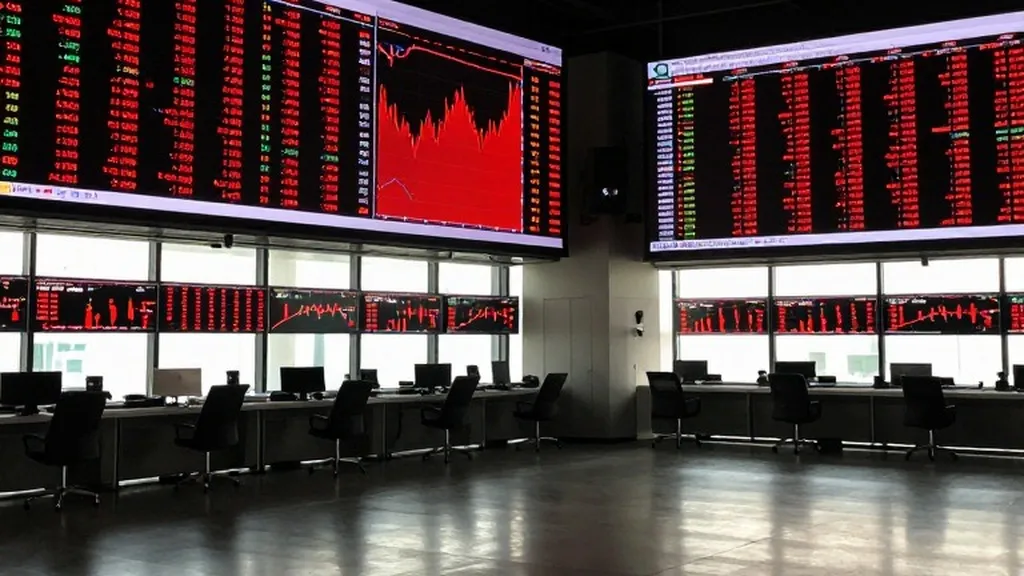
Elon Musk experienced a devastating week for his business empire, with Tesla and SpaceX suffering a combined loss of more than $300 billion in market value on Thursday. The sharp decline in his companies was part of a broader rout that saw the so-called Magnificent Seven technology companies shed approximately $1 trillion in value in a single trading day. Tesla fell nearly 11 percent while SpaceX dropped 8 percent. This loss for Musk comes at a particularly difficult political moment, as he had recently spent nearly $450 million backing Republican campaigns. A significant portion of that sum, at least $45 million, was directed toward supporting Ken Paxton for the Texas Senate seat. That bet failed when Texas went to the Democrats on Tuesday night, a result that signaled a shift in power that investors are now pricing into the stock market.
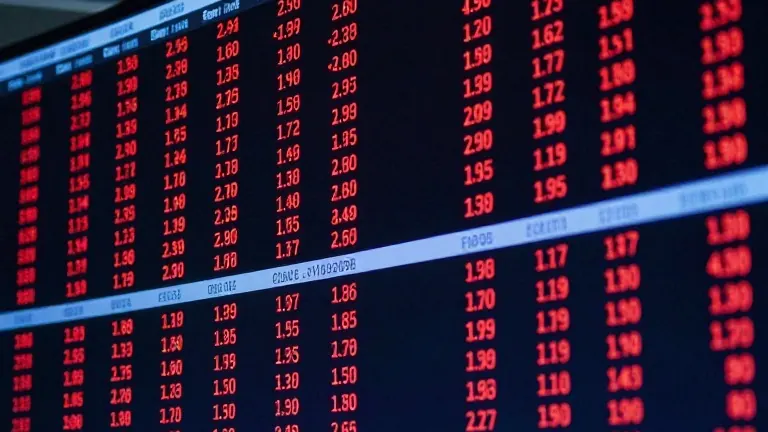
The market crash on Thursday was the most severe in recent memory, with the Dow Jones Industrial Average falling more than 1,800 points, a drop of 3.4 percent, to close at 51,868. The S&P 500 fell 4.3 percent, marking its worst day since April 2025, while the Nasdaq Composite dropped 5.5 percent, its steepest decline in 18 months. Selling spread through every sector of the S&P 500 and gathered pace throughout the day. For the average saver or small investor, a day like this represents a significant hit to retirement accounts and portfolios. When the Nasdaq enters correction territory, which occurs when it falls at least 10 percent from a recent high, it can trigger anxiety for those who have invested heavily in technology stocks as part of their long-term savings plans.
The catalyst for this sell-off was the Democrats' sweep of the House and Senate in the midterm elections held on Tuesday. Democrats campaigned on slowing the spread of data centers and artificial intelligence infrastructure, and voters in several states rejected proposals for new data center development. In Texas, Democrat Gina Hinojosa won the race for governor after campaigning on an immediate moratorium on new data center construction. These victories in states with large concentrations of planned data centers, including Ohio and Texas, heightened concerns that the facilities at the heart of the AI build-out will face new hurdles. This political shift has led investors to question whether the massive sums being spent on AI will yield the expected returns, causing a retreat from tech stocks.
The fear in the market was palpable, with the Cboe Volatility Index, known as Wall Street's fear gauge, jumping as much as 5.7 points to above 28. The VIX was up 61 percent on the day, its highest reading since March 31, 2026. This spike in volatility indicates that investors are actively seeking safer assets, such as bonds, to protect their wealth. The 10-year Treasury yield fell to 4.83 percent, its lowest since September, as money flowed into the bond market. For local readers, this movement of funds from stocks to bonds reflects a broader desire for stability amid uncertainty, a sentiment that likely affects how many families in Portland view their financial security in the coming months.
Chip stocks led the rout, with Nvidia falling 9.2 percent, the biggest drop among Dow components. The Philadelphia Semiconductor Index fell more than 12 percent, its worst day since the start of the pandemic era. Analysts are divided on the future outlook. Neil Wilson, an investor strategist at Saxo UK, described the event as a complete capitulation-level event in tech stocks. He warned that the fear is a total momentum unwind as Democrats pace the frontier and potentially stop data center buildouts. While the selling may look overdone, Wilson noted that the nature of sell everything behavior in this market means investors need to look for stability first before making new moves.
Dan Ives, a tech analyst, stated that there is no way to sugarcoat the fact that Democrats taking control, especially of the Senate, will create major hurdles for AI and tech legislation. He predicted that the midterm results are a clear sign the pace of data center build-out will start to slow. Ted Parkhill, founder and chief executive of Incline Investment Management, added that the market is moving from the promise of AI to the price of AI. He acknowledged that while AI is transformative, not every AI-related stock is priced appropriately, and there will be a lot of turmoil. This perspective suggests that the recent highs may have been too optimistic, and a period of adjustment is now underway.
Despite the panic, some experts see a path to recovery. Gene Goldman, chief investment officer at Cetera Financial Group, said the sell-off had become exaggerated as selling accelerated through the day. He predicted a recovery, noting that corrections in a bull market are typically short-lived and that investors should expect a bounce back soon. Frank Cappelleri, founder of CappThesis, pointed out that historically, the Nasdaq was higher 12 months after the election in all but one of 13 midterm cycles since 1974. However, he cautioned that the path can be a volatile one, citing the 2018 cycle where a sharp December sell-off followed the initial rally. This historical context offers a measured perspective for long-term investors who might otherwise react emotionally to the current drop.
More Business · Rip-Off Report · Report a business · Got a Story?