Catholic imagery dominates horror film tropes from exorcisms to saints
A new book and recent films show how specific Catholic rituals and theology provide the core mechanics for modern scary movies.
By Yasmin Nasser ·
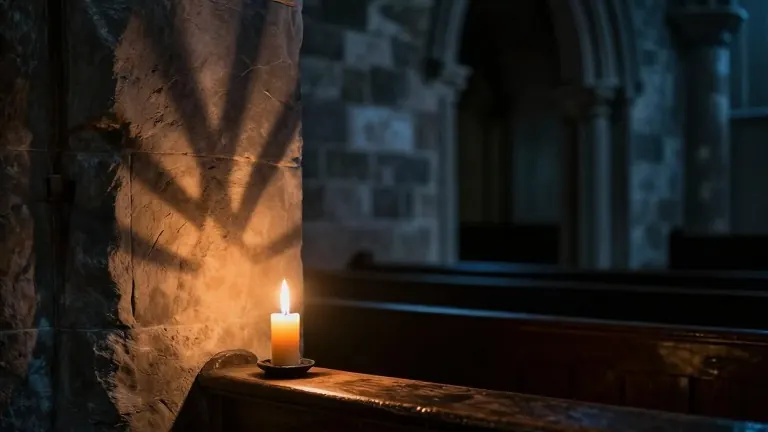
Horror films rely heavily on specific Catholic symbols to generate fear, a trend that extends beyond simple aesthetics to include core theological concepts. The genre frequently features priests battling demons, Gothic church settings, and the visual contrast of white clerical collars against dark backgrounds. These elements have become standard tools for filmmakers seeking to evoke a sense of ancient, institutional power.
Matthew Cressler, co-author of the new book "Body and Blood," argues that Catholicism offers unique narrative hooks for the horror genre. He notes that the theology of suffering, where pain is viewed as bearing the cross of Christ, aligns naturally with the physical torment common in horror. This theological framework allows filmmakers to explore the intersection of faith and physical endurance in ways other religious traditions rarely offer.
Aislinn Clarke, a director known for the 2018 film "The Devil's Doorway," cites her own Catholic upbringing as preparation for the industry. She recalls thinking that the Eucharist, where a priest identifies bread and wine as the body and blood of Christ, resembled cannibalism to her child mind. This perspective highlights how the visceral nature of Catholic rituals provides rich material for horror storytelling.
Reverend Aaron Williams, a pastor at St. Mary's Basilica in Mississippi who consulted on the 2025 film "The Ritual," explains the specific authority required for exorcisms. He states that a priest acts with the authority of Christ through ordination, rather than personal power. This sacramental character is a key plot device in films where characters must be saved from demonic possession.
Some movies use these themes to critique the church itself. Clarke's "The Devil's Doorway" depicts nuns singing hymns while ignoring a woman in labor, a scene Clarke identifies as more horrific than the film's scenes of demonic possession. Similarly, the indie film "Saint Maud" features a nurse lining her shoes with metal spikes to recreate the suffering of Christ, demonstrating how devout faith can drive characters to extreme actions.
Cressler suggests that the prevalence of Catholic imagery in horror influences how the public perceives the religion. He observes that rooms filled with candles, crosses, and statues are instantly read as dangerous in film culture. This association persists even when the film is not overtly religious, as seen in "Psycho," where the preservation of a mummified corpse reflects a broader theme of venerating the dead.