Democratic Control of Congress Targets Trump's D.C. Infrastructure Projects
New majority in House and Senate faces a slate of contested construction projects, including a 250-foot arch and White House ballroom, with appropriations power now in Democratic hands.
By Dominic Foster ·
The transfer of power to Democrats in both chambers of Congress on January 3, 2026, places the administration’s District of Columbia construction projects under direct legislative scrutiny. The incoming body will hold 54 Democratic senators and 237 representatives, compared to the current 44 Republican senators and 147 representatives. This shift removes the procedural hurdles that allowed the executive branch to advance physical changes to the capital without substantial oversight.
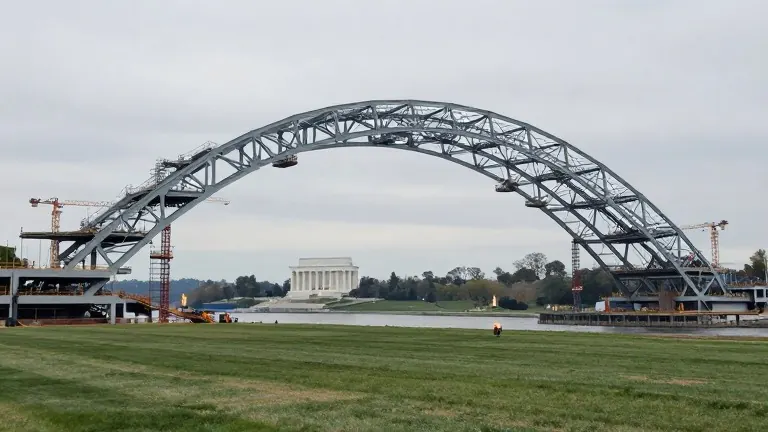
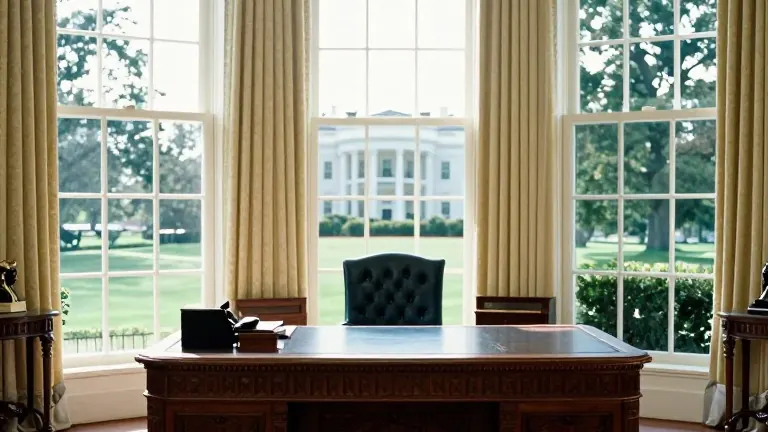
President Donald Trump has prioritized several physical alterations to the city, including the renovation of the Kennedy Center, the remodeling of East Potomac Golf Links, and the construction of a 250-foot arch in Memorial Circle. These initiatives have proceeded with limited congressional resistance during the first two years of the current term. The president’s first public address following the election focused on these projects rather than on policy or partisan strategy. He toured the under-construction White House ballroom, detailing columns and steel beams, and previously discussed the Lincoln Memorial reflecting pool.
The timeline of opposition began in late 2025 as Democratic leaders prepared for a majority. Rep. Jared Huffman of California, who will chair the Natural Resources Committee, spent the year questioning the Interior Department’s role in federal lands and parks. In a letter to colleagues, Huffman stated that his committee would use its investigative authority to uncover wrongdoing and protect the public interest. He specifically cited efforts to transform public spaces into tributes to the president and to hijack the nation’s 250th anniversary celebrations.
Rep. Don Beyer of Virginia has taken a leading role in opposing specific structures. At a public hearing on Thursday, he opposed the construction of the memorial arch. His spokesman, Aaron Fritschner, noted that the appropriations process controlled by Democrats starting January 3 provides a mechanism to halt or delay funding. Fritschner added that the new majority will reverse the balance of power previously ceded by House Speaker Mike Johnson. More than 120 witnesses attended the National Capital Planning Commission hearing, which lasted 9.5 hours.
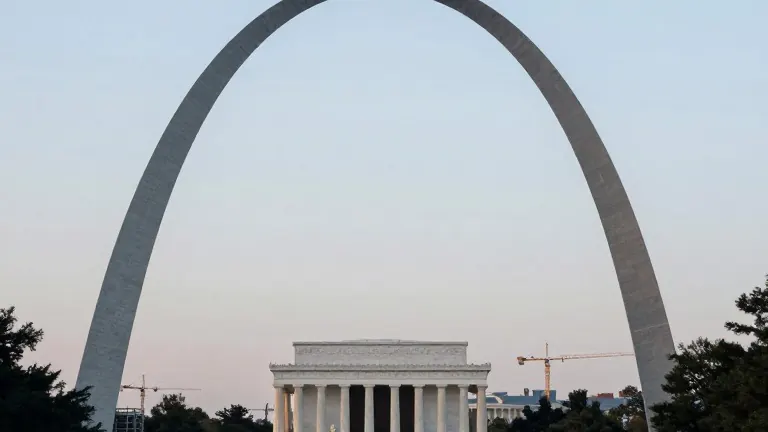
The commission approved the 250-foot arch on an 8-4 vote. The project is planned to stand directly across the Memorial Bridge from the Lincoln Memorial. Witnesses during the remote hearing argued the structure would alter the solemnity of the nearby Arlington National Cemetery. The Trump-appointed commission chairman praised the monument during the session. A technical crash in the call-in line and a negative comment section accompanied the proceedings.
Judicial intervention has also paused several projects. U.S. District Judge Tanya Chutkan granted a 14-day temporary restraining order late Thursday, blocking the administration from breaking ground on the arch. This order stems from a motion filed by three veterans and an architectural historian. A separate lawsuit filed by the District of Columbia and Virginia has been consolidated with the existing case. All four major projects, including the ballroom, the golf course, and the National Garden of American Heroes, are currently in litigation.
The East Potomac Golf Links project has expanded beyond construction disputes. U.S. District Judge Ana Reyes has announced a formal inquiry to investigate whether attorneys for the Trump administration violated ethical boundaries during legal proceedings. Cost estimates for the projects remain sparse. The Kennedy Center renovation has received a congressional appropriation of $257 million. A seawall at the golf course is estimated to cost more than $300 million.
Skye Perryman, president and CEO of Democracy Forward, stated that the new congressional majority adds a tool for checking executive branch excesses. Her organization represents plaintiffs in several of the ongoing lawsuits. She indicated that Congress will likely conduct hearings and investigations into funding plans and sources. The White House did not respond to requests for comment regarding the legislative shift.
The change in state governorships in Texas, Georgia, Iowa, and Nevada will also affect the District of Columbia. These four states will be led by Democrats, who control more than 600 National Guard members mobilized by Trump in August 2025. Currently, nearly 3,100 troops are stationed in the city, a slight increase from the previous month. Democratic governors had previously withdrawn their troops and airmen after the 250th anniversary celebrations.