Family of Palestinian boy injured by Hamas rocket seeks funding for $250,000 treatment
Kinaan Dadou, now 10, remains in a persistent vegetative state three years after a stray rocket hit his home in the West Bank.
By Yasmin Nasser ·
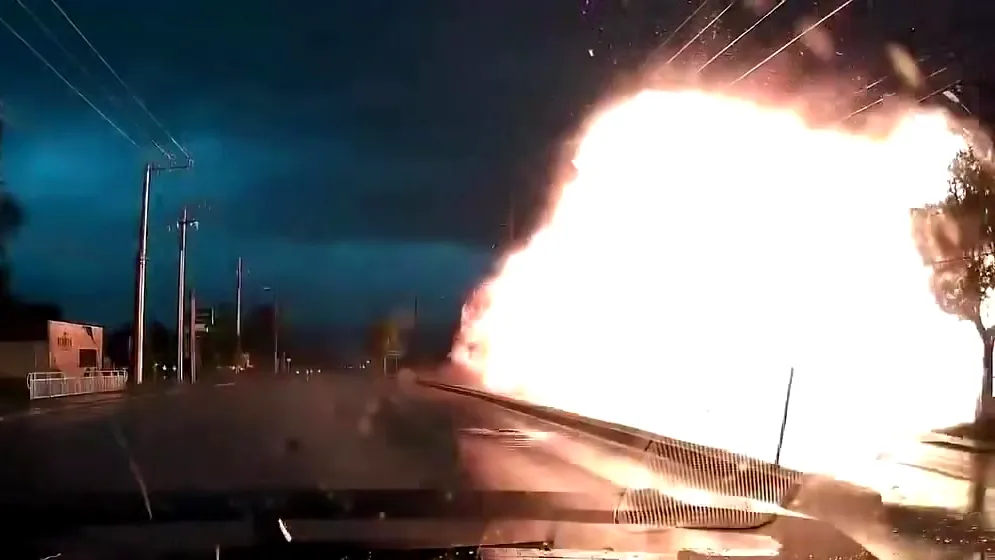
A stray Hamas rocket landed outside a family home in the occupied West Bank on October 7, 2023, leaving a seven-year-old boy in a persistent vegetative state. Three years later, the child’s parents are fighting to pay for specialized medical care that neither the Palestinian Authority nor Israeli authorities will fully cover.
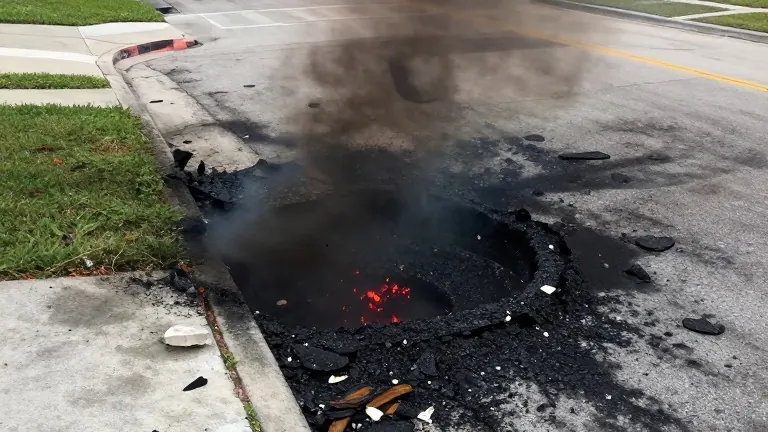
The rocket, aimed at the Israeli settlement of Efrat, missed its target by several hundred meters. Shrapnel struck Kinaan Dadou in the head. He stood frozen, screamed for his father, and collapsed. An Israeli soldier passing by promised an ambulance, but no vehicle arrived for six hours. Kinaan’s brain hemorrhaged during that waiting period, and he has not spoken since.
Kinaan now lies in a bed in his family’s village of Um Rukbeh, west of Bethlehem. He breathes through a tracheostomy and eats through a feeding tube. His limbs have atrophied. His mother, Woroud Dadou, changes his breathing tube herself to save $225 a month, a task she learned by watching doctors in the hospital. His father, Alaa Hassan Yakoub Dadou, spends 4,000 shekels, or about $950, monthly on medication.
The family lives in Area C of the West Bank, a zone under full Israeli military control. The Palestinian Authority administers healthcare there but has refused to pay for further specialist treatment. Palestinian law guarantees disabled residents at least 75% of rehabilitation costs, yet officials at the ministry of health did not respond to questions about Kinaan’s case. The family argues that Israel, as the occupying power, also bears legal obligations to provide medical services.
Israeli authorities told the family’s lawyer that Kinaan was injured outside their direct jurisdiction. The family disputes this, noting that Israel controls their construction permits, movement, and even the demolition of their home. A warning to demolish their house arrived three months ago. The family says that if they lived in one of the nearby settlements, they would have access to bomb shelters and immediate hospital care.
A specialist in Turkey has offered a treatment plan that includes intensive recovery and further surgery. The cost is approximately $250,000, a sum far beyond the family’s means. Alaa lost his job as a laborer in Israel after work permits were suspended following the October 7 attack. He has appealed to the Israeli government on humanitarian grounds, but the body overseeing the territories, Cogat, did not respond to inquiries.
“We’ve knocked on every door. The Arabs and the Israelis, it’s the same response,” Alaa said. “The Palestinian side says: ‘This isn’t our area.’ What’s our crime? That we happen to live among settlements? Neither side takes responsibility for us.”
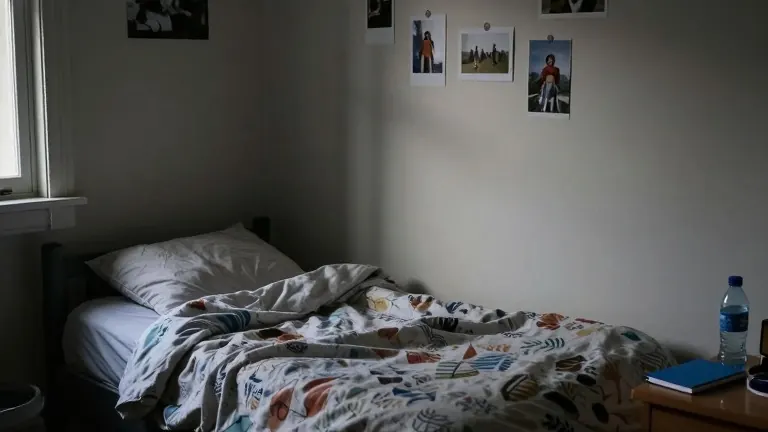
The family’s home is filled with memories of Kinaan’s former life. A blue notebook contains his practice writing, including the words “pepper, cabbage, knight.” He dreamed of becoming a pilot. His father recalls the boy greeting him at the door with his two siblings. Now, only his wife greets him. Kinaan sometimes opens his mouth as if to speak, but no words come out. The room remains silent except for the sound of his breathing.