U.N. exits Western Sahara after 35 years
The departure of MINURSO personnel follows a U.S.-Russia standoff that left the mission without a renewed mandate.
By Dominic Foster ·
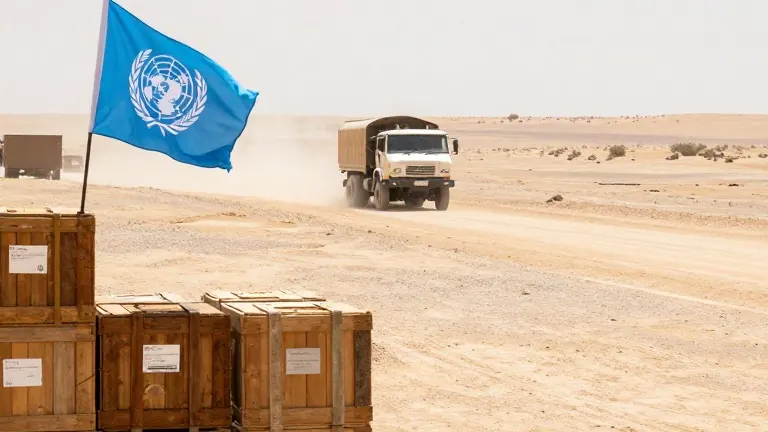
The United Nations ended its peacekeeping mission in Western Sahara on November 1, 2026, concluding 35 years of operations. The termination of the mandate resulted from a procedural deadlock at the U.N. Security Council that left the force without an extension.
Three key developments define the current status of the territory. First, the Security Council voted down a U.S. draft resolution on Friday that would have supported Morocco's sovereignty claims and scheduled the mission's end for next year. Second, a rival Russian proposal to extend the mission was subsequently defeated. This sequence of votes created an abrupt end to the force's legal authority. Third, a liquidation period began immediately. A smaller team under the U.N. Department of Operational Support now manages the return of assets to troop-contributing nations and the disposal of U.N. equipment.
Stéphane Dujarric, spokesperson for the U.N. secretary general, confirmed the timeline in a statement. He noted that the November 1 date marks the start of the liquidation period. The U.N. secretary general called on all parties to exercise maximum restraint and remain concerned about the risk of escalating hostilities in the region.
The mission, known as MINURSO, was established in 1991 to monitor a cease-fire and facilitate a referendum on self-determination. The vote never occurred due to disagreements over voter eligibility. Morocco wanted to include Sahrawis living in its controlled territories, while the Polisario Front insisted on using Spain's colonial census. The force was authorized to have 534 personnel, with Egypt, Ghana, and Pakistan as the top military contributors. Its budget for the 2026-2027 period exceeded $62 million. Twenty personnel died during the mission's existence.
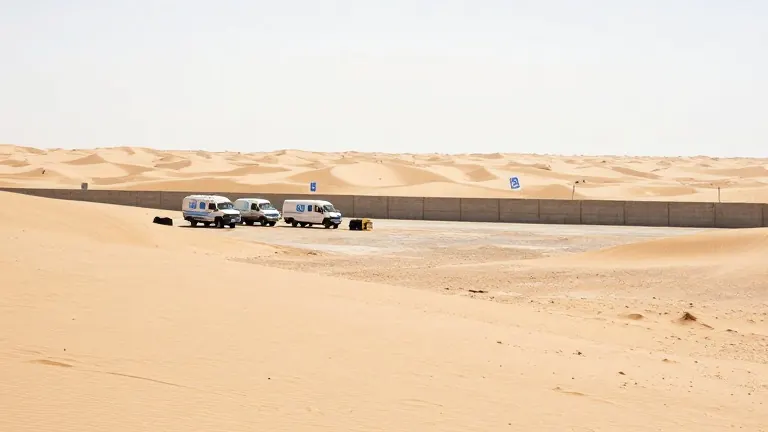
Western Sahara is a desert territory along Africa's northwestern Atlantic coast, roughly the size of Colorado. It is rich in minerals and fisheries. Morocco administers nearly all of the area, while the Polisario Front controls a narrow strip east of a Moroccan-built sand wall. The Polisario Front, backed by Algeria, seeks independence for the Indigenous Sahrawi people. Morocco considers the territory its southern provinces and has secured support from Washington, Paris, and London.
The dispute dates to 1975, when Morocco annexed the territory after Spanish rule ended. The resulting armed conflict lasted more than 15 years and claimed more than 16,000 lives, according to the French Senate. The Polisario Front withdrew from the cease-fire in 2020 after clashes. The U.N. reported last month that low-intensity hostilities have continued since then. Morocco and Algeria, which host the Polisario camps in Tindouf, severed diplomatic relations in 2021. The end of the mission adds tension to their rivalry over regional influence.