Pilot Reported Managing Ice Before Learjet Crash in Florida
Audio logs show the pilot declared a Mayday and described a severe overspeed condition seconds before the plane hit a Palm Beach County neighborhood on Sunday.
By Yasmin Nasser ·
Air traffic control recordings released on Monday show the pilot of a Learjet 60 struggling with weather conditions shortly before the aircraft crashed into a Florida neighborhood on Sunday. The audio captures the pilot stating, "We're managing the ice, but it is moderate turbulence," before issuing multiple distress calls.
The jet departed Austin, Texas, and was heading to the Bahamas when the pilot began reporting issues. The calls grew more urgent as the aircraft descended. "722 Bravo Delta, we're descending 8,000, Mayday, Mayday, we're descending 10,000 feet per minute," the pilot said. The final transmission indicated a critical failure: "Declare an emergency 722 Bravo Delta, we are in an overspeed condition descending 20,000 feet per minute."
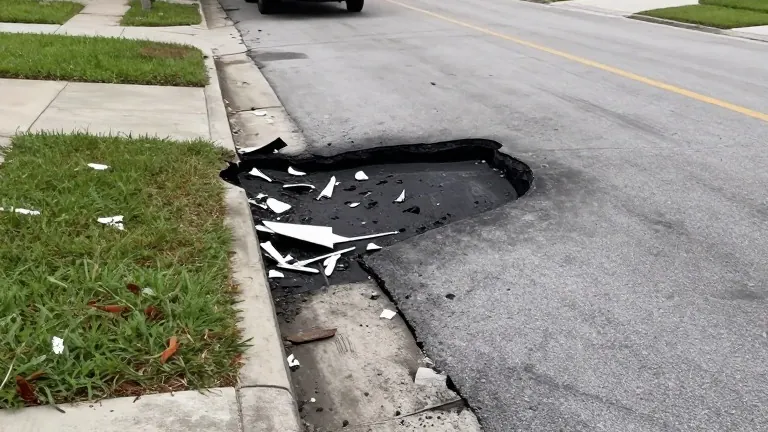
Telemetry data showed the plane flying at nearly 9,000 feet before it nosedived at a speed of more than 32,000 feet per minute, which equates to approximately 363 mph. The impact created a large crater and a massive fireball in Palm Beach County. All nine people on board died. One person on the ground sustained a leg injury.
Sources confirmed that Jeffrey Gregory, 55, was the captain. Nathalia Filgueiras, 20, was the co-pilot. The passengers included Adam Robinson and Helen Sharp from Austin, along with their children Emma, 4, and Charlie, 2. Other passengers were Rachael Reed, Charmi Fehr, and Anita Maria Cetina.
Robert Sumwalt, a former National Transportation Safety Board chair, noted that icing can severely disrupt airflow over the wings. "One, it adds weight, but more importantly, it disrupts the smooth flow of air across the top of the wings and any disruption to the flow of air across the top of the wing can severely affect the aerodynamic performance of the airplane," he said.
NTSB board member Tom Chapman said investigators believe the aircraft was breaking apart before it hit the ground. "We do have some indication that the aircraft was breaking up before impact," Chapman said at a Monday afternoon news conference. He added that parts of the plane may be found some distance from the impact site.
Residents near the crash site described the force of the impact. Aki Kuusisto said the event felt immediate. "Like driving down the road, we heard the whistle and the boom and you could feel it in the car, it was that close," Kuusisto said. Others reported their homes shaking and lights flickering during the crash.