Iranian leaders claim U.S. voters rejected Trump's Iran war strategy
The shift in Congress follows a limited American strike in the Strait of Hormuz and ongoing back-channel talks to end an eight-month conflict.
By Dominic Foster ·
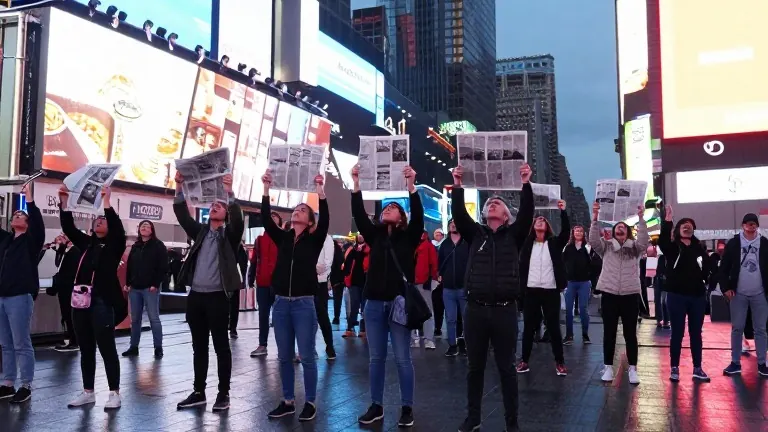
Iranian officials on Wednesday declared that the American public has effectively voted against President Donald Trump and his war with Iran. The statement comes after Democrats secured control of both the House and Senate in Tuesday's midterm elections.
Mohammad Bagher Qalibaf, the speaker of Iran's parliament and its chief negotiator, posted on X that Americans said no to war due to high living costs. He warned that if the U.S. government ignores this public will to serve international interests, it will face a nightmare. Qalibaf described the election results as a clear endorsement of the Iranian position.
Ayatollah Mojtaba Khamenei, the country's supreme leader, offered a more cautious assessment. In a letter shared on social media, he stated that those who believe a change in U.S. political parties will alter America's hostility toward Iran are deeply mistaken. Khamenei has not appeared in public since the war began on Feb. 28, when joint U.S. and Israeli strikes killed his father, former supreme leader Ayatollah Ali Khamenei.
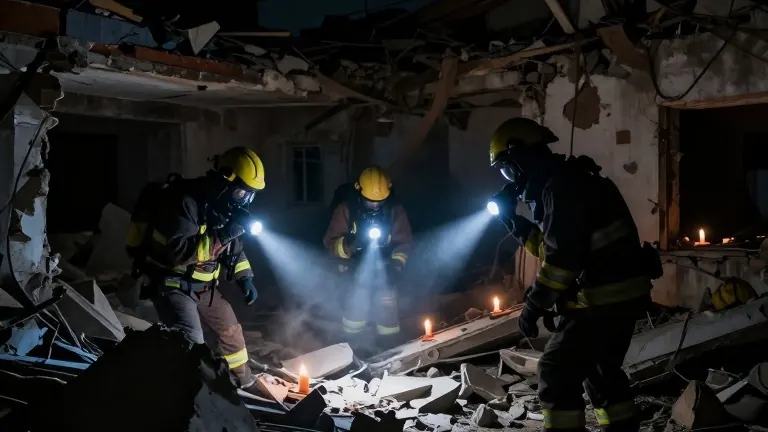
The diplomatic reactions occurred while the region remained tense following a limited U.S. military strike on Iranian targets. Iranian state media reported explosions on Qeshm and Hengam islands and near the port city of Bandar Abbas on Monday. Authorities have not confirmed the specific sites hit or the extent of the damage. The Strait of Hormuz, which handled about one-fifth of the world's oil supply before the conflict, remains a focal point of the standoff.
Ali Nikzad, the deputy speaker of Iran's parliament, told lawmakers that U.S. sanctions failed to break the Iranian economy or force a surrender. He linked the Republican losses directly to Washington's policy, calling the election results the aftershocks of defeat at the hands of the Iranian people.
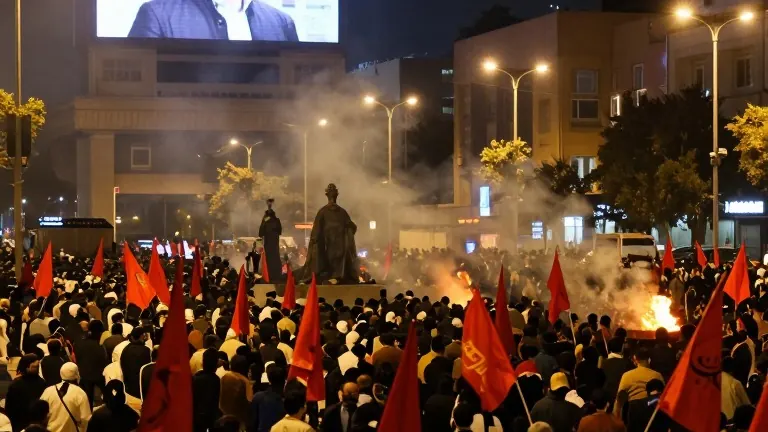
The election outcome coincided with the 47th anniversary of the 1979 U.S. Embassy seizure in Tehran. Thousands of protesters marched through the capital on Wednesday, burning American and Israeli flags. They chanted slogans demanding the death of leaders in both countries. Effigies of Trump and Israeli Prime Minister Benjamin Netanyahu were displayed, with one caricature showing Trump as a dog on a leash held by Netanyahu.
Tehran Mayor Alireza Zakani addressed the crowd, stating that the recent U.S. defeat is a result of the Iranian nation's strength. Gholam Hossein Mohseni Ejehi, the head of Iran's hardline judiciary, wrote on X that Trump failed in both war and politics. He promised that Iran would impose even more defeats upon the American president.
Behind the scenes, back-channel negotiations are continuing as regional allies urge caution. According to two regional officials and a third person familiar with the matter, Netanyahu called Trump over the weekend to push for another wave of strikes. Mediators are working on a framework where Iran stops attacks in the strait in exchange for the U.S. lifting its naval blockade. Vice President JD Vance said Monday that he and the president feel optimistic about reaching a negotiated settlement. Thousands of U.S. troops remain in waters off Iran, with another aircraft carrier and additional personnel en route to the Middle East.
The conflict has lasted more than eight months, disrupting global economic stability and causing severe damage to Iran. The U.S. maintains a naval blockade of Iranian ports while restricting shipping through the Strait of Hormuz. The next phase of the war will depend on whether these diplomatic efforts succeed or if military operations resume.