Huntington Beach gardener loses freesia corms to nocturnal rodents
Urban wildlife in Southern California is increasingly encroaching on home gardens, leading to crop loss and new pest control strategies for local residents.
By Yasmin Nasser ·
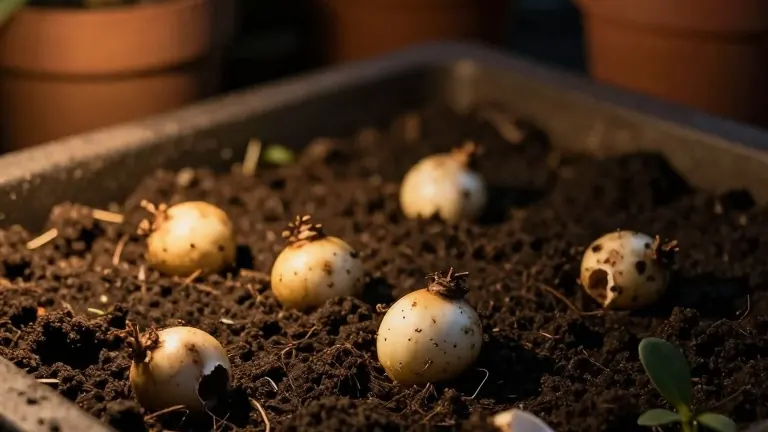
Hundreds of freesia corms were eaten or damaged by urban wildlife in a Huntington Beach front yard over the past two years. Dena, a local gardener, reported that the loss was severe enough to force her to move the surviving plants into pots in her backyard. The damage occurred despite the plants being established in a soil bed that Dena described as low quality, noting that even weeds struggled to grow there.
Freesias are native to South Africa and grow from underground corms that range from one-half to one inch in size. They replicate vegetatively and can self-sow, producing new color combinations over a two-year cycle. Dena planted a mix of white, yellow, purple, red, and pink varieties about 40 years ago. She has spent decades selectively pollinating the blooms to create hybrid colors such as lavender, pale pink, and orange. She noted that yellow and purple are dominant colors in these hybrids.
The wildlife invasion began two years ago. During the day, a squirrel decimated sections of the front yard patch. At night, rats, opossums, raccoons, and possibly skunks stripped out entire areas. Surviving corms that were not eaten were dug up and bitten in half. Dena relocated the remaining plants to containers in her backyard to protect them from the daytime foragers.
The move to the backyard did not solve the problem entirely. Last year, an unidentified critter began cutting down freesia shoots at night. The plants were mowed down to a height of one-half inch, leaving the base intact. This cycle repeated for months, depleting the energy stored in the mature corms. By the end of the growing season, the old corms were nearly finished. The damage pattern matched the behavior of a rat sharpening its teeth.
Rat incisors grow continuously throughout their lives. If these teeth are not constantly worn down, they can curve into the animal's jaw or skull. Crisp plant shoots provide the necessary resistance to file the teeth down. This explains why the rodents cut the shoots without consuming the bulk of the plant.
Dena shared a specific remedy for the rat issue based on years of experience. She recommends using a standard rat trap with a piece of Slim Jim meat stick, sized between one-half and three-quarters of an inch, attached to the bait hook or trigger loop. The wrapper should remain on the meat. This setup effectively traps the rodents responsible for the garden damage.
The increase in urban wildlife in Southern California is linked to droughts and fires that have shrunk natural habitats. Animals that once lived in hills and canyons have moved into human surroundings. A large skunk was seen in the reporter's backyard last week during the middle of the day, an unusual time for a nocturnal animal. This suggests nearby food sources, such as unsecured trash or pet food, are attracting the animals.
Squirrels have also become bolder in the area. Last summer, a specific squirrel nicknamed Seymour became a frequent visitor to the reporter's front yard. Seymour would approach people, stand still, and stare from a few feet away. If chased, it would immediately return to its spot. On one occasion, Seymour darted into the living room when a door was left open and was chased out with a broom. This year, a different squirrel with a fuller, fluffier tail has been observed in the same location.
These squirrels are identified as eastern fox squirrels. They were introduced to the Los Angeles area by Civil War veterans who brought them as pets to the Sawtelle Veterans' Home. While these animals typically live four years in the wild, they can live up to 20 years in captivity. The species is now the most commonly seen squirrel in Los Angeles.
Gardeners in the region are advised to watch for these nocturnal visitors. The expansion of wildlife into residential areas means that plants and food sources are becoming frequent targets for foraging animals.