Maine voters choose new governor, judge Susan Collins in split national race
Polls are open in Portland and Lewiston as voters decide 36 governorships and a Senate seat in a historic midterm contest.
By Yasmin Nasser ·
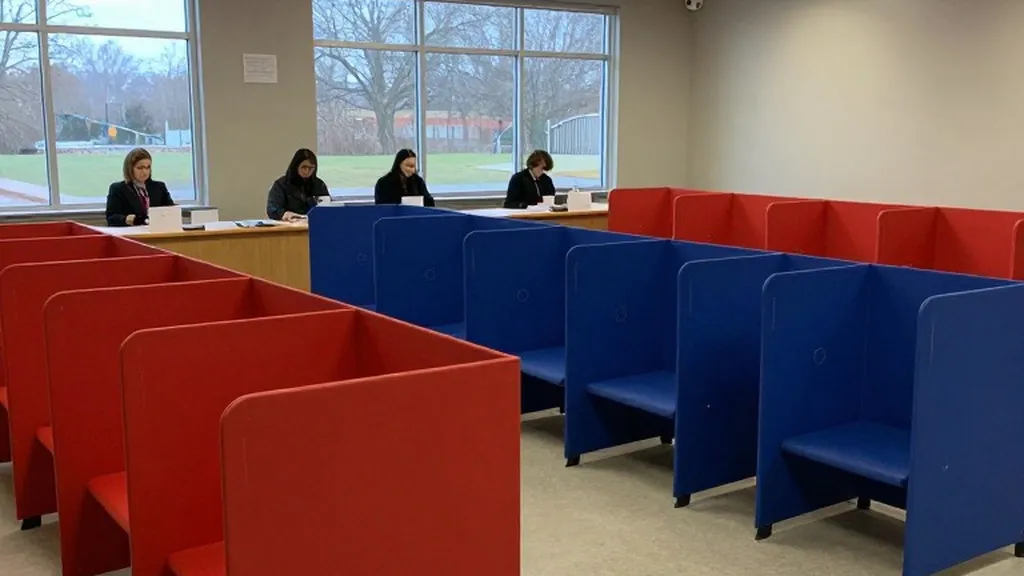
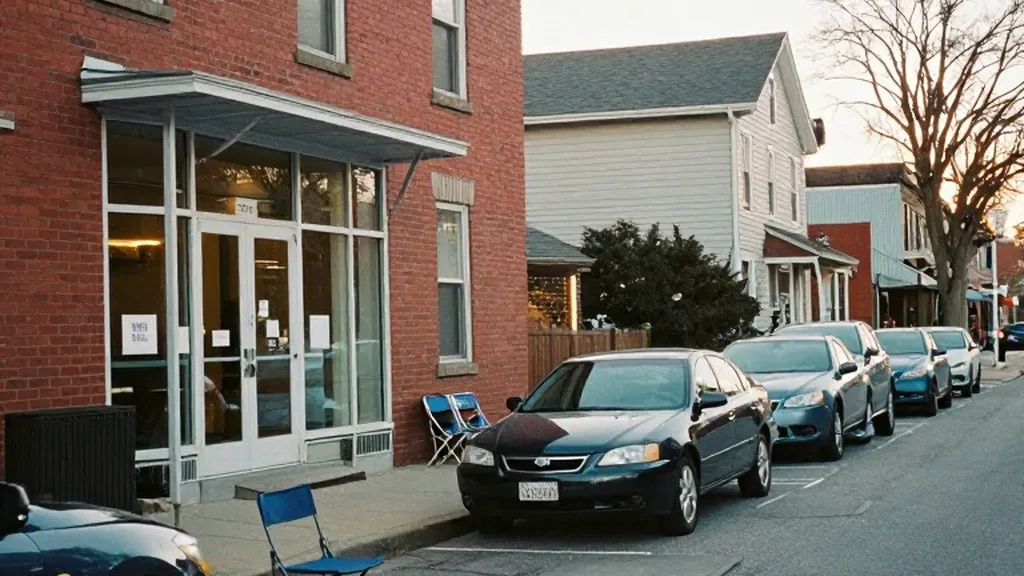
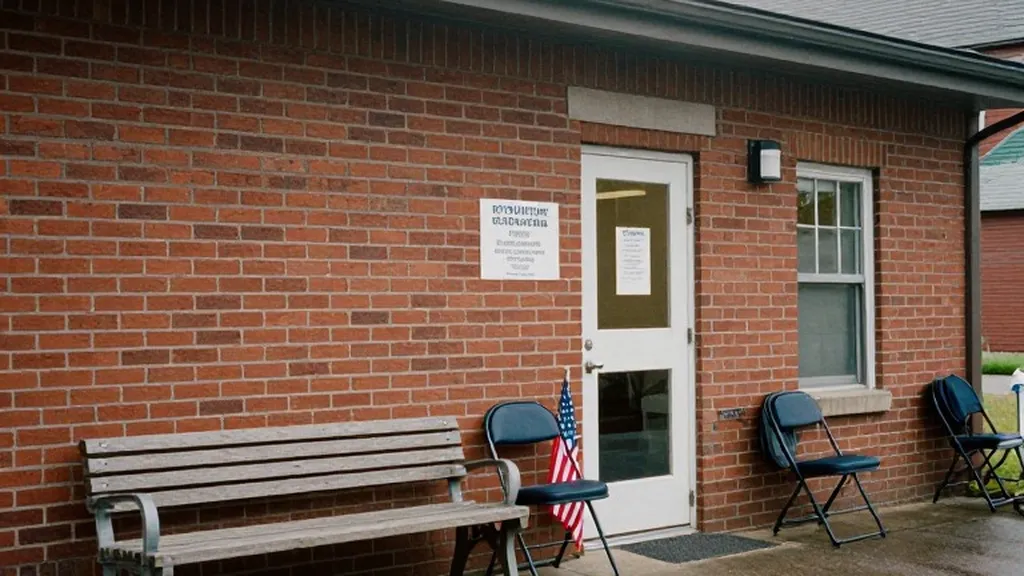
Voters in Portland and Lewiston are casting ballots on Tuesday, November 3, 2026, as polls remain open from 6 a.m. To 8 p.m. Local time. The general election determines control of the U.S. House and Senate for the final two years of President Donald Trump's second term, alongside a historic cycle of gubernatorial races. In Maine, the ballot includes a contest for an open governor's seat and the re-election of U.S. Senator Susan Collins. Municipalities with populations of 500 or more may have opened as early as 6 a.m., while smaller towns may open later.
The state's governor's race is an open seat, meaning no incumbent is running for the position. This is part of a national trend where 19 of the 36 governorships on the ballot have no incumbent on the ballot. Fifteen governors are term-limited, while Kim Reynolds of Iowa, Tim Walz of Minnesota, and Tony Evers of Wisconsin chose not to run. Rhode Island's Daniel McKee lost his primary. Democrats would need a net gain of two governorships to achieve a nationwide majority, a position Republicans have held since 2010.
Nationally, the 36 governor races are divided evenly, with each party holding 18 offices currently up for election. Republicans hold 26 governorships and Democrats 24 heading into the vote. Ballotpedia identifies nine battleground states for governor, including Alaska, Arizona, Georgia, Iowa, Kansas, Michigan, Nevada, Ohio, and Wisconsin. In these states, the outcome could shift the balance of power among state executives. Democrats are defending five governorships in states that Trump won in 2024, while Republicans are defending two in states that Harris won.
Maine is one of the key states in the Senate race, where 35 of 100 seats are up. Senator Susan Collins, a Republican, is seeking re-election against Democratic former state Senate President Troy Jackson. Economic strain and tariffs have made the state competitive. Maine is rated a toss-up by all four major election forecasters. The state voted for Kamala Harris by 6.9 points in 2024, a margin that makes the race closely watched by both parties. If Democrats gain four seats, they will control the Senate; Republicans can lose only two to maintain control.
The U.S. House sees all 435 seats on the ballot. Republicans hold 218 seats, and Democrats hold 214, with one independent and vacancies. Democrats need a net gain of three districts to secure a majority, while Republicans can lose no more than two. Ballotpedia counts 46 battleground districts, including 21 Democratic-held districts that voted for Trump in 2024. In Maine, every U.S. House seat is on the ballot, along with state and local offices. The results of these races will determine which party controls investigations and legislative priorities in the new Congress.
Voters across the country are engaging with what the Associated Press describes as a referendum on Trump's second term. A recent AP-NORC poll shows 35% of U.S. Adults approve of Trump's job performance, while about 7 in 10 say the country is heading in the wrong direction. More than 57 million people had already voted as of Monday, surpassing early vote totals from four years ago in many closely watched states. In Palm Beach Gardens, Florida, voter Mark Barker said he has been following Trump and thinks he is doing an awesome job. In Raleigh, North Carolina, librarian James Moore cited higher taxes and healthcare costs as his primary concerns.
The election is also being watched for its financial implications. Wall Street is observing the results for signals on AI spending and debt ceiling negotiations. The 2026 elections are likely to be the most expensive in history, with Republican committees outraising and outspending Democratic committees at the committee level. However, at the candidate level, Democrats have outraised their opponents. An analysis of AdImpact data shows that 88.1% of Republican general election TV ad spending went to states and districts Trump won in 2024. This targeted spending reflects the high stakes of retaining the House majority.
In the governor's races, specific matchups are drawing national attention. In Georgia, Republican health care executive Rick Jackson is running against Democratic former Atlanta Mayor Keisha Lance Bottoms. In Ohio, Republican Vivek Ramaswamy faces Democrat Amy Acton, a race that saw backlash over an ad featuring Acton's estranged mother. In Nevada, Republican Governor Joe Lombardo is challenging Democratic Attorney General Aaron Ford. The AP calls Texas, Florida, and Iowa competitive governor races. Democrats hope to hold a majority of governorships for the first time in two decades, a goal that would significantly alter the balance of state-level power.
Election administration has been a point of contention, with a federal judge temporarily barring the Trump administration from a plan to prevent noncitizen voting. Critics argue the plan risks disenfranchising eligible voters. The U.S. Postal Service added hours and staff to ensure mail ballots are counted on time. In Maine, voters can find their polling place at vote.gov or their state election office. Anyone in line when polls close is entitled to vote, and ID rules vary by state. The outcome of these races will shape the political landscape for the next two years, with potential implications for the 2028 presidential cycle.
As polls close in Maine and across the nation, the focus turns to the detailed counts in 46 House battlegrounds and 13 Senate races. The Associated Press notes that one or two seats could tip either chamber, making the race for control extremely tight. Republican National Committee Chairman Joe Gruters stated that everything depends on turnout, while Democratic Chair Rep. Suzan DelBene said the American people are angry and want change. The results will determine the direction of federal policy and the balance of power between the executive and legislative branches.