Maine voters decide Senate, governor as national economy weighs on ballot
Polls in Portland and Lewiston are open from 6 a.m. To 8 p.m. Tuesday as voters choose who will oversee the final two years of the Trump presidency.
By Dominic Foster ·
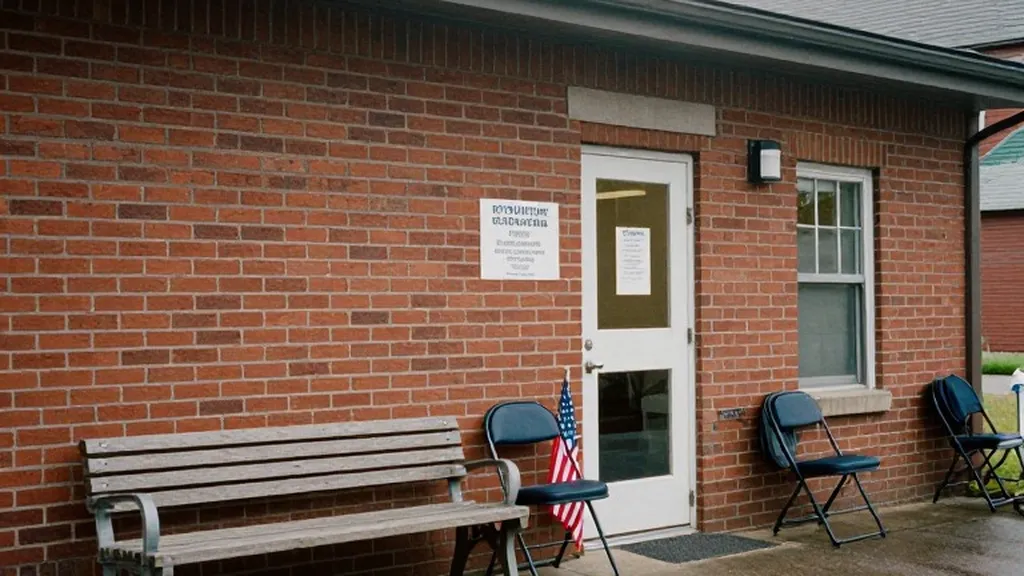
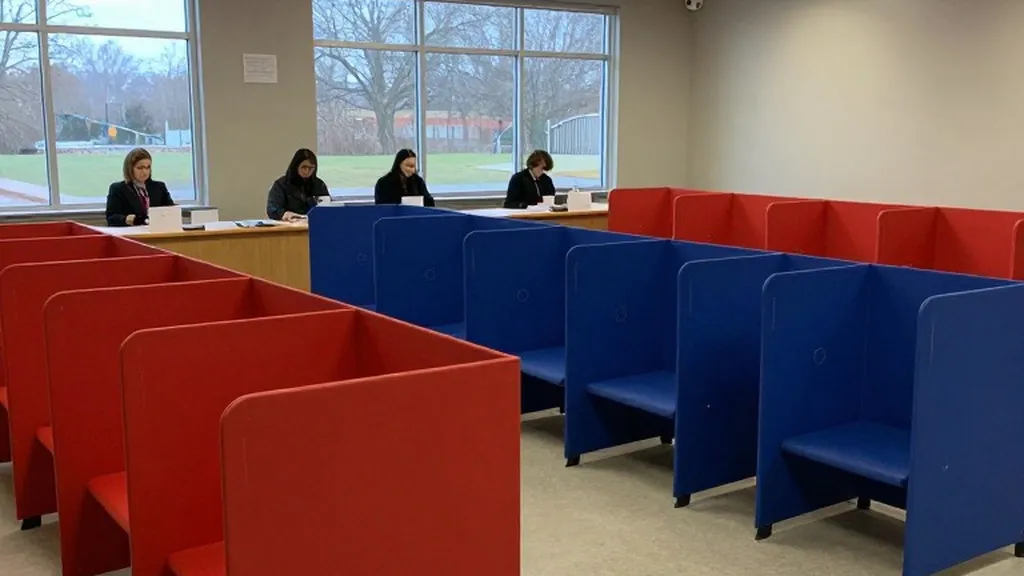
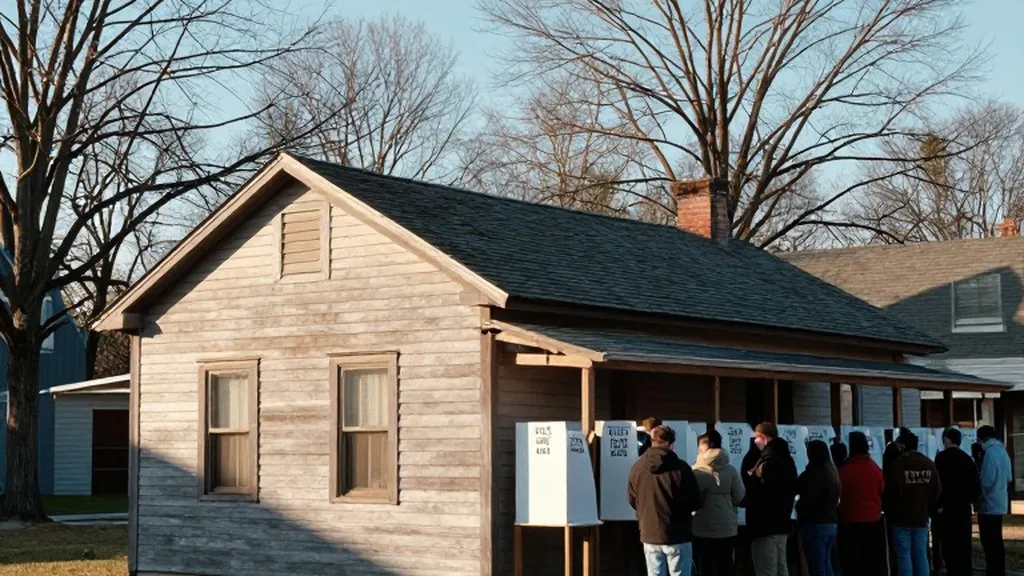
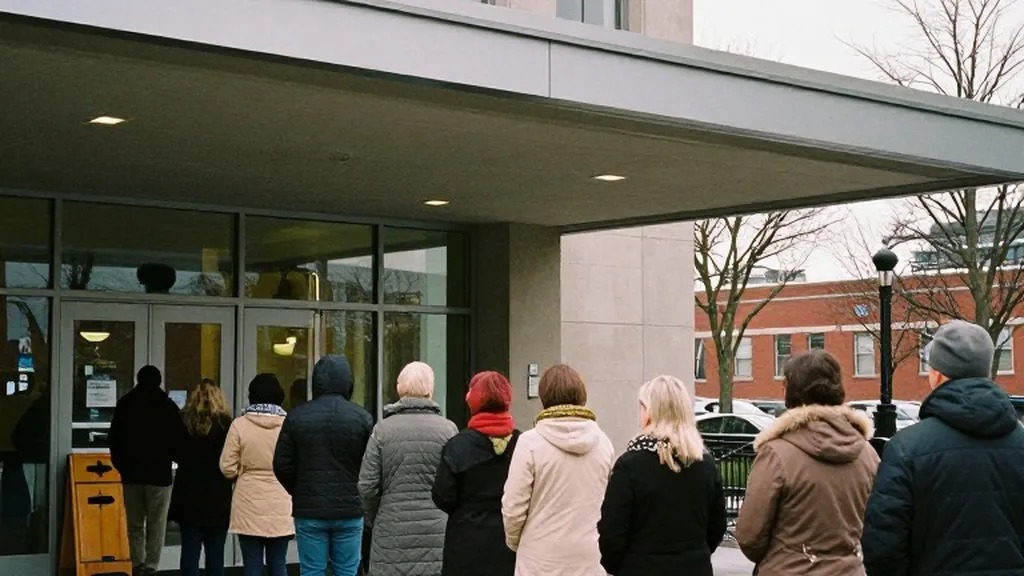
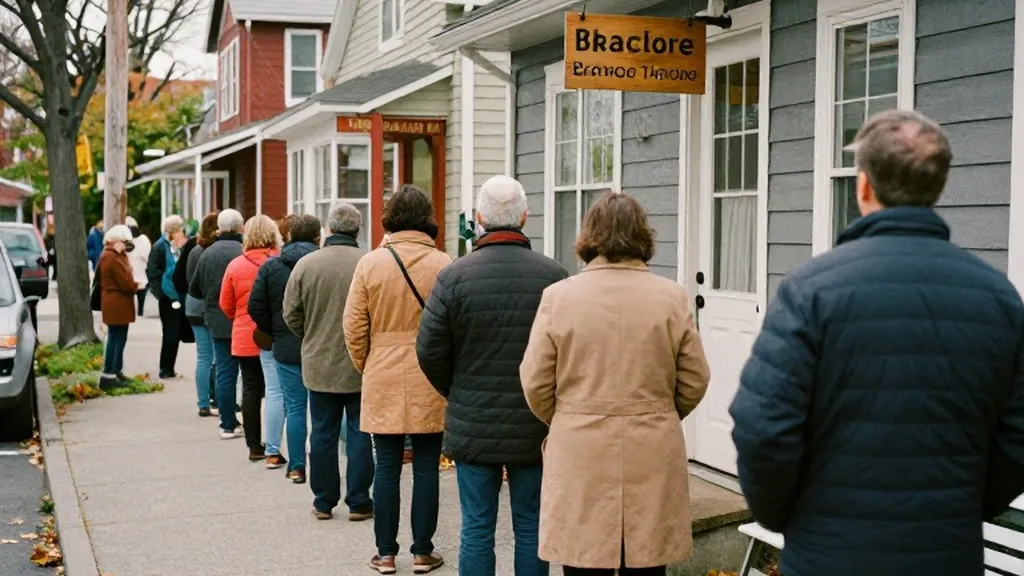
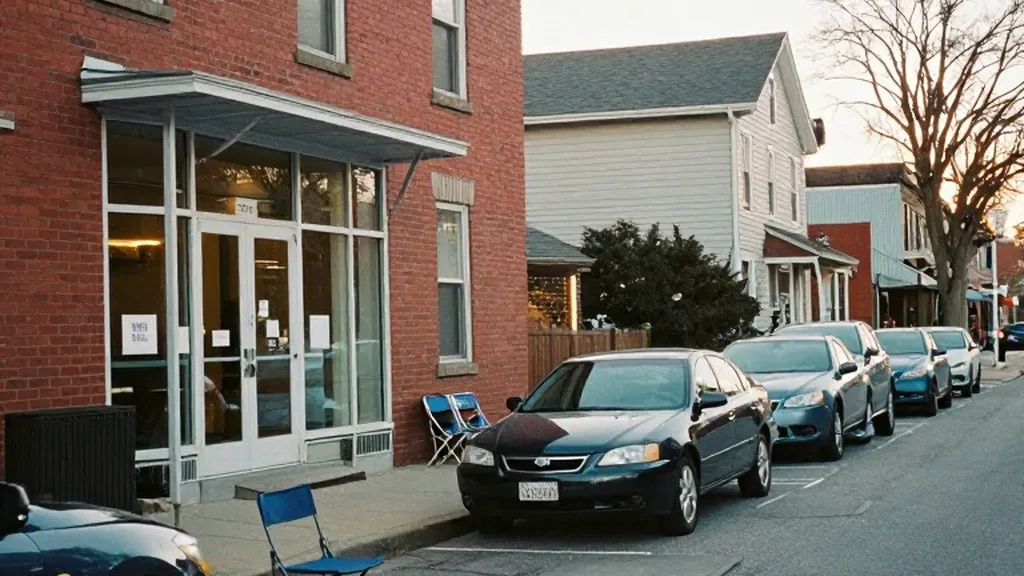
Polls in Portland and Lewiston opened at 6 a.m. Tuesday and will close at 8 p.m. Voters in these cities and across the state are casting ballots in a midterm election that determines who controls Congress for the final two years of President Donald Trump's second term. The day's races include the U.S. Senate seat, the governorship, and every U.S. House seat in Maine. Local offices and ballot measures also appear on ballots in various municipalities, with specific measures varying by county.
The Associated Press describes the election as a referendum on the president's second term, noting that voters are struggling with high prices and anger over an unpopular war with Iran. In Maine, the race for the U.S. Senate is a central focus. Incumbent Republican Senator Susan Collins is running against Democratic former state Senate President Troy Jackson. The AP reports that economic strain and tariffs have made the state competitive. Ballotpedia identifies the race as a toss-up, meaning it is considered close enough that either candidate could win. The outcome will influence whether Democrats or Republicans maintain control of the Senate for the next six years.
Maine voters are also choosing a new governor. The seat is open because no incumbent is on the ballot. The parties listed by Ballotpedia for the governor's race are Democratic, Independent, and Republican. This race is part of 36 governorships on the ballot nationwide. Republicans currently hold 26 governor's offices, while Democrats hold 24. Democrats would need a net gain of two governorships to achieve a nationwide majority, a feat they have not accomplished since 2010. The result in Maine will contribute to this national tally and shape the state's leadership during a period of significant federal economic decisions.
The national stakes for Maine are tied to the broader fight for congressional control. All 435 U.S. House seats are up for grabs, with Republicans holding 218 and Democrats holding 214. Democrats need a net gain of three districts to secure a majority in the House. Republicans can lose no more than two seats to keep their current majority. In the Senate, 35 seats are on the ballot. Republicans hold 53 seats, while Democrats hold 45, plus two independents who caucus with Democrats. Democrats need a net gain of four seats to take control of the Senate. The AP notes that one or two seats could tip the balance in either chamber, making every vote in competitive districts and states critical.
Economic issues dominate the conversation in Portland and Lewiston. The AP-NORC poll indicates that 35 percent of U.S. Adults approve of Trump's job performance, while only 25 percent approve of his handling of the economy. About seven in ten Americans say the country is heading in the wrong direction, with most blaming the president for high prices. These sentiments are reflected in local polling places, where voters are weighing the cost of living against their political preferences. The Associated Press notes that the election is a referendum on these economic conditions, with many voters expressing frustration over rising costs for healthcare and everyday goods.
Oversight is a key theme for those who may gain control of Congress. If Democrats win even one chamber, investigations and possible impeachment proceedings become likely. House Democratic Leader Hakeem Jeffries has outlined a 100-day agenda focused on the cost of living and oversight if he becomes speaker. He would be the first Black speaker of the House. A strong Democratic performance could also boost potential 2028 candidates such as Gavin Newsom, JB Pritzker, and Pete Buttigieg. Conversely, a Republican hold would allow them to continue their current oversight approach and potentially complicate the path for Vice President JD Vance in future elections.
The election administration is a point of attention for voters and officials alike. A federal judge temporarily barred the Trump administration from carrying out a plan intended to prevent noncitizen voting, a move critics say risks disenfranchising eligible voters. Another judge ordered the administration to stop demanding that California election officials segregate ballots cast by people on lists of suspected noncitizens. The U.S. Postal Service added hours, staff, and special lines to ensure mail ballots are counted on time. In Maine, where polls are open for 14 hours, these administrative steps aim to ensure that all eligible voters can cast their ballots without disruption.
The mood in the state reflects the national sentiment of caution and uncertainty. More than 57 million people had already voted as of Monday, surpassing the early vote of four years ago in many closely watched states. Republicans were bracing to lose the House and fighting to hold the Senate, while Democrats were described as cautiously optimistic. The Associated Press notes that the 2026 elections are likely to be the most expensive in history, with Republican committees outraising and outspending Democratic committees at the committee level. However, at the candidate level, Democrats outraised their opponents. This financial dynamic is influencing the messaging and outreach efforts in Maine's competitive races.
Wall Street is also watching the results. The outcome could add to investor concerns about AI spending and debt ceiling negotiations. The economic implications of the election extend beyond the political sphere, affecting markets and financial planning for residents in Portland and Lewiston. The decision made today will shape the legislative agenda for the next two years, including potential changes to tax policy, healthcare, and trade tariffs that directly impact the local economy. Voters are aware that their choices will have lasting effects on the state's financial health and its relationship with the federal government.