Maine voters decide House seats and national control today
Polls are open from 6 a.m. To 8 p.m. In Portland and Lewiston as Mainers cast ballots in a race that will determine the balance of power in Washington.
By Dominic Foster ·
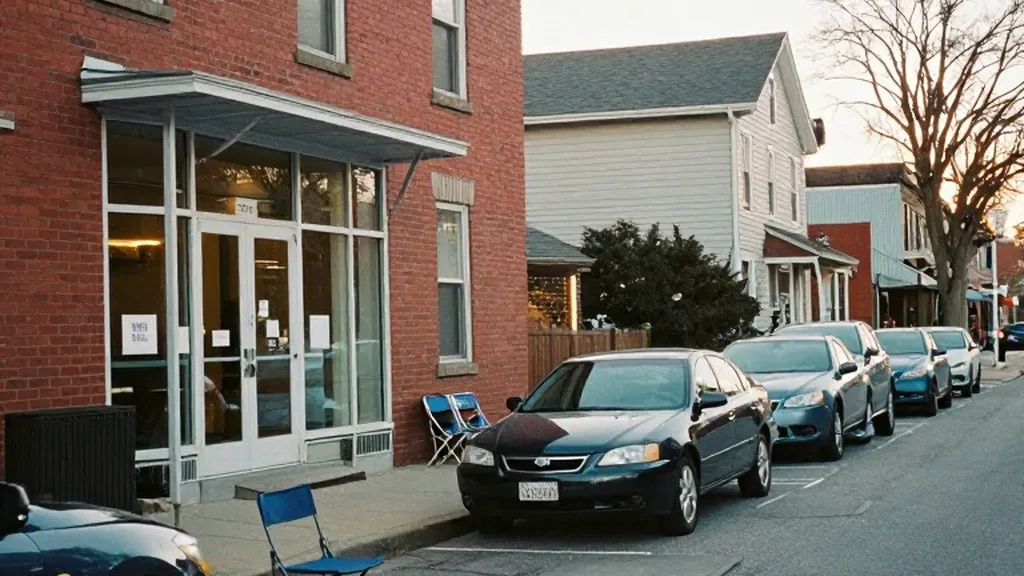
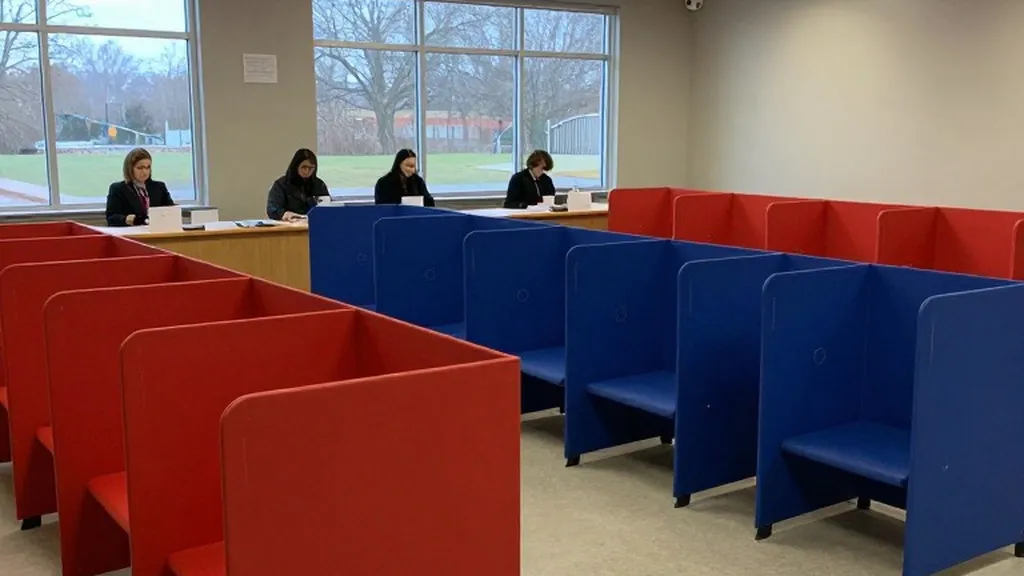
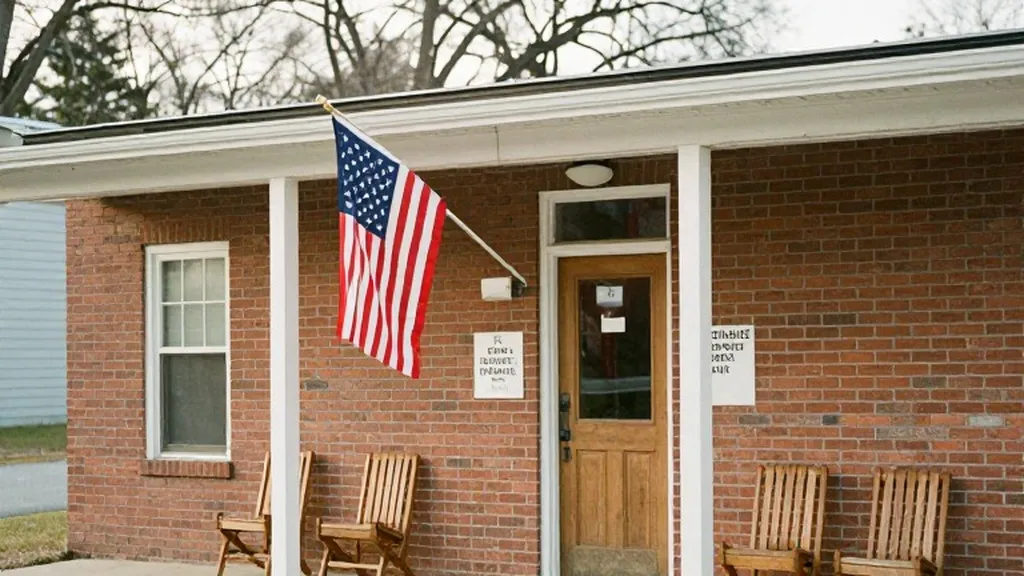
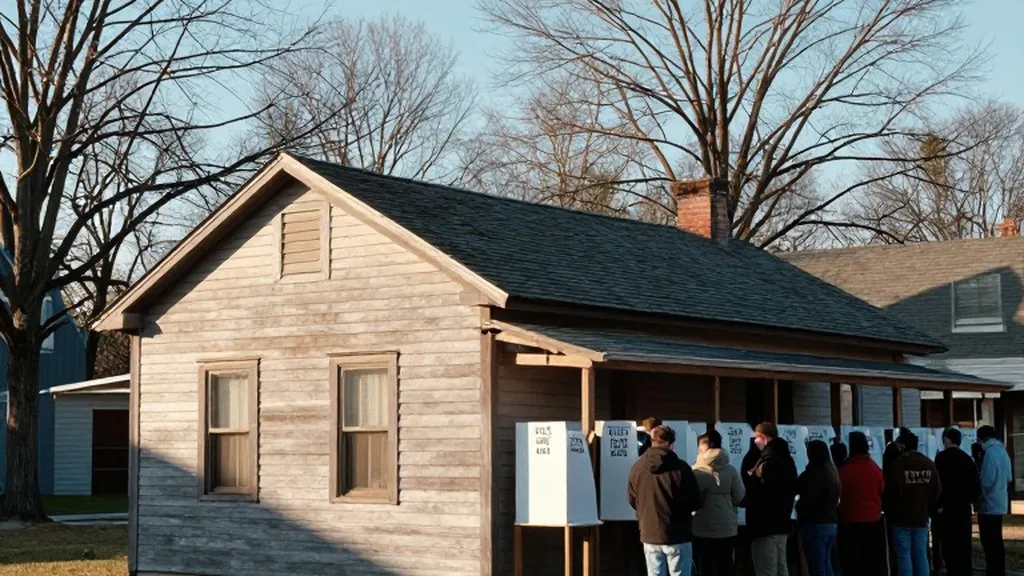
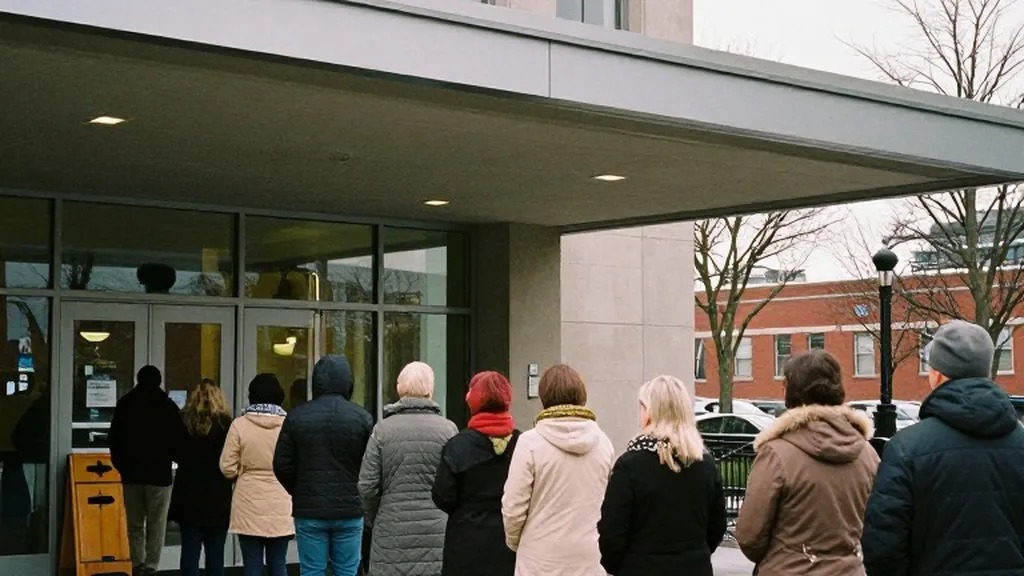
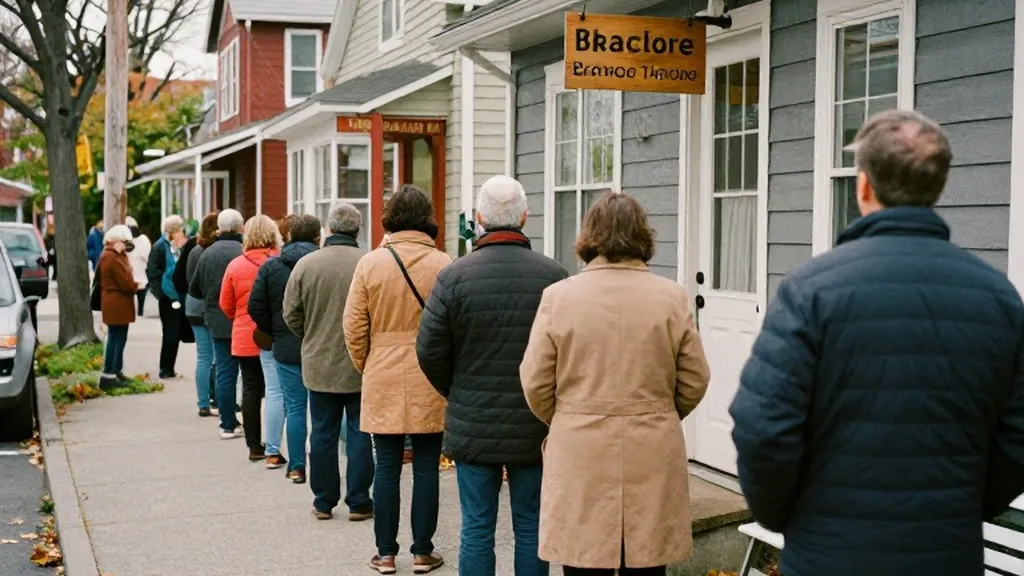
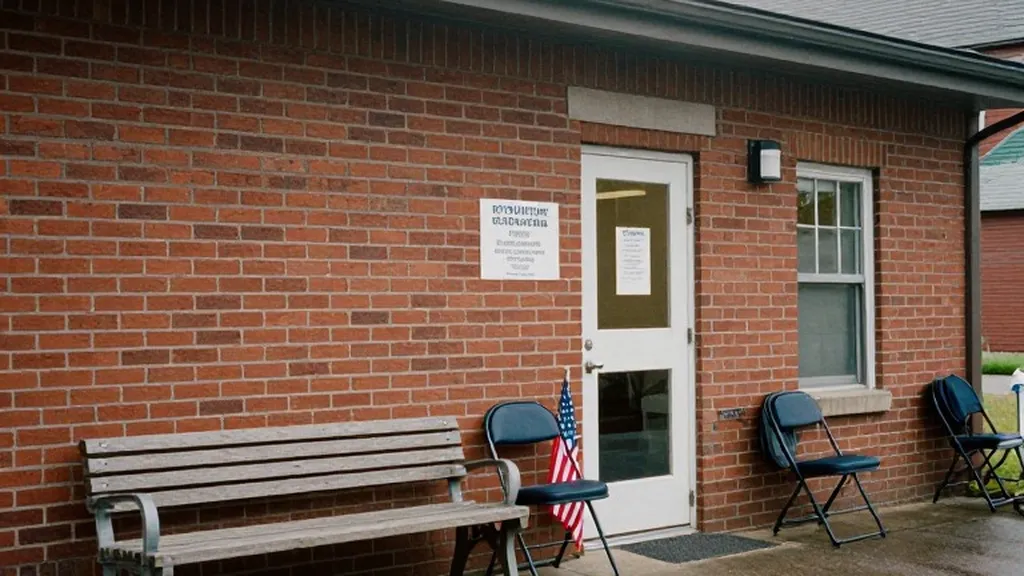
Voters in Portland and Lewiston began casting their ballots at 6 a.m. Today as polls across Maine opened for the general election. The state’s polling places will remain open until 8 p.m., with some municipalities in smaller towns potentially opening later in the morning. Residents are heading to the polls to decide the state’s representation in the U.S. House of Representatives, a race for the governor’s office, and a contest for the state’s U.S. Senate seat. The outcome of these local races is closely tied to the national midterm election, which will determine which party controls Congress for the final two years of President Donald Trump’s second term.
In the U.S. Senate race, incumbent Republican Senator Susan Collins is on the ballot against Democratic former state Senate President Troy Jackson. The Associated Press notes that economic strain and tariffs have made this state competitive, with the race rated as a toss-up by four major polling organizations. Mainers will also choose a new governor in an open seat, as no incumbent is running for the office. The parties on the ballot for the governor’s race include the Democratic, Independent, and Republican parties. Every U.S. House seat in the state is also up for election today, meaning the full state delegation will be determined by these votes.
Beyond the state lines, the election is a referendum on the Trump administration’s first two years in office. The Associated Press describes voters as struggling with high prices and anger over an unpopular war with Iran. An AP-NORC poll indicates that 35 percent of U.S. Adults approve of Trump’s job performance, while only 25 percent approve of his handling of the economy. About seven in ten Americans say the country is heading in the wrong direction, with most blaming the president for rising costs. More than 57 million people had already voted as of Monday, surpassing early vote totals from four years ago in many closely watched states.
National attention is focused on the U.S. House, where all 435 seats are on the ballot. Republicans currently hold 218 seats, while Democrats hold 214 seats, with one independent and some vacancies. To gain a majority, Democrats need a net gain of three districts, whereas Republicans can afford to lose no more than two seats. Ballotpedia counts 46 battleground districts nationwide, including 25 held by Democrats and 21 held by Republicans. The margin for control is so thin that the Associated Press reports that one or two seats could tip the chamber. This narrow margin makes every district, including those in Maine, a critical part of the national tally.
In the U.S. Senate, 35 of the 100 seats are up for election. Republicans hold 53 seats and Democrats hold 45, with two independents who caucus with Democrats. Democrats need a net gain of four seats to take the majority, while Republicans can lose only two. Eleven senators are not running for re-election, including four Democrats and seven Republicans. The winners of these races will begin their six-year terms on January 3, 2027. The Associated Press notes that Kansas, a reliably Republican state, has become central to the fight for Senate control, with the race there rated as a toss-up to lean Republican.
Voters are also choosing governors in 36 states. Republicans currently hold 26 governor’s offices and Democrats hold 24. Of the offices on the ballot, each party holds 18. Nineteen of these races have no incumbent on the ballot, with 15 governors term-limited and others choosing not to run. Democrats would need a net gain of two governorships to achieve a nationwide majority, which Republicans have held since 2010. The Associated Press calls the governor races in Texas, Florida, and Iowa competitive, while noting that Democrats hope to hold a majority of governorships for the first time in two decades.
Election administration issues have also been a focus in the days leading up to today. A federal judge temporarily barred the Trump administration from carrying out a plan to prevent noncitizen voting, a move critics say risks disenfranchising eligible voters. Another judge ordered the administration to stop demanding that California election officials segregate ballots cast by people on lists of suspected noncitizens. The U.S. Postal Service added hours, staff, and special lines to ensure mail ballots are counted on time. These legal and logistical developments add a layer of complexity to the counting process as polls close across the country.
The financial scale of this election is expected to be the highest in history. Republican committees outraised and outspent Democratic committees, aided by Trump-affiliated groups and Elon Musk, though Democrats outraised their opponents at the candidate level. An AP analysis of AdImpact data shows that 88.1 percent of Republican general election television ad spending went to states and districts Trump won in 2024. This includes more than $850 million in states where he won by 10 points or more. The Associated Press notes that Wall Street is watching the results closely, as the outcome could impact investor concerns about AI spending and debt ceiling negotiations.
Political leaders are emphasizing the importance of turnout. Joe Gruters, the Chairman of the Republican National Committee, stated that everything depends on turnout and that Republicans win if they turn out their voters. Suzan DelBene, the Chair of the Democratic Congressional Campaign Committee, said the American people are angry and want change. President Trump held dozens of rallies in the final days before the election, ending his schedule Sunday in Salina, Kansas, where he told supporters he wanted them to pretend he was on the ballot. His administration has also continued to make claims about voting fraud, including that noncitizens vote in large numbers, which has led to lawsuits in Alaska and California.