Maine voters face record spending in 2026 midterms
Polls are open in Portland and Lewiston as a record-breaking wave of campaign money reshapes the national and state races.
By Dominic Foster ·
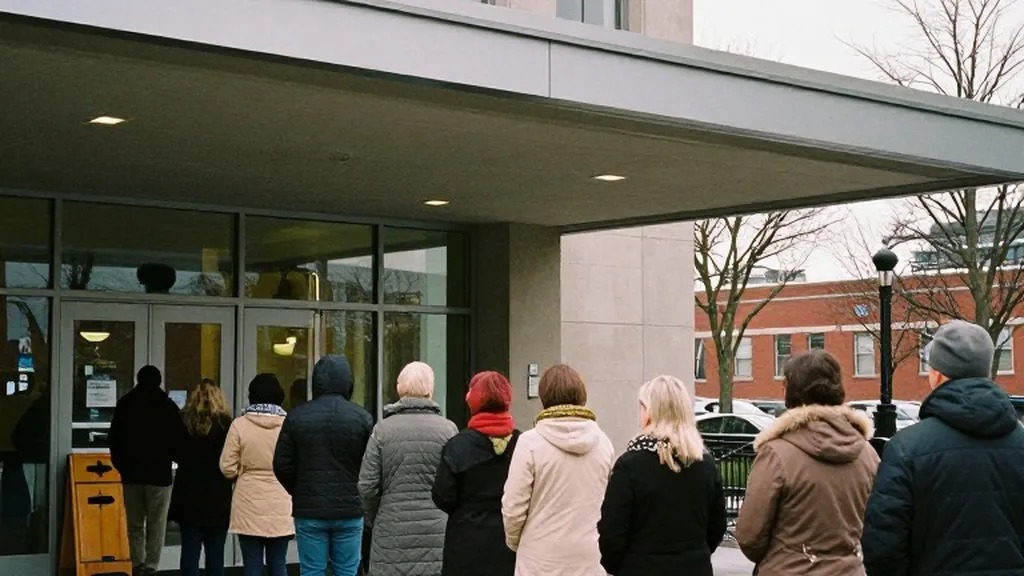
Voters in Portland and Lewiston are heading to the polls on Tuesday, November 3, to cast ballots in an election that will determine the balance of power in Congress for the final two years of President Donald Trump's second term. In Maine, polls are open from 6 a.m. To 8 p.m., with some smaller municipalities adjusting their opening times. Residents in the two largest cities will decide the state's open governorship and the U.S. Senate seat currently held by Republican incumbent Susan Collins. The Associated Press notes that economic strain and tariffs have made the state's competitive Senate race a focal point of the national battle.
The 2026 elections are likely to be the most expensive in history, marking a significant shift in how campaigns are funded and managed. Republican committees have outraised and outspent their Democratic counterparts, a financial advantage bolstered by support from Trump-affiliated groups and billionaire Elon Musk. However, the data reveals a complex picture where Democrats have held an edge at the candidate level, suggesting that the flow of money is not uniform across the different tiers of the election.
An analysis of AdImpact data highlights a striking concentration of Republican spending. Approximately 88.1 percent of Republican general election TV ad spending went to states and districts that Donald Trump won in the 2024 presidential election. This strategy included investing more than $850 million in areas where he won by ten points or more. This heavy investment reflects a defensive posture aimed at protecting a solid base of support while attempting to maximize turnout in safe districts.
In the state of Maine, the political landscape is particularly volatile for the Senate. Ballotpedia identifies the race as a toss-up on all four major political ratings, including those from the Cook Political Report and Decision Desk. The contest pits Susan Collins, who is seeking to hold her seat, against Troy Jackson, a former state Senate President and the Democratic nominee. The AP reports that the state's voters are grappling with high prices, a sentiment that has drawn both parties to spend heavily on local messaging.
The governor's race in Maine is also on the ballot as an open seat, with no incumbent running for re-election. This vacancy provides an opportunity for both parties to make a statement on state leadership and policy. The Associated Press describes the broader election as a referendum on the president's second term, with many voters expressing anger over an unpopular war with Iran and the rising cost of living. These local and national issues are converging to drive high levels of voter engagement in cities like Portland and Lewiston.
Nationally, the stakes are high for both parties as they fight to maintain or seize control of the U.S. House and Senate. Democrats currently need a net gain of three districts to secure a majority in the House, while Republicans can afford to lose no more than two seats. In the Senate, Democrats require a net gain of four seats to take control, a hurdle made difficult by the fact that Republicans currently hold a majority of the seats up for election. The Associated Press notes that one or two seats could tip either chamber, making the outcome of the election uncertain until the final votes are counted.
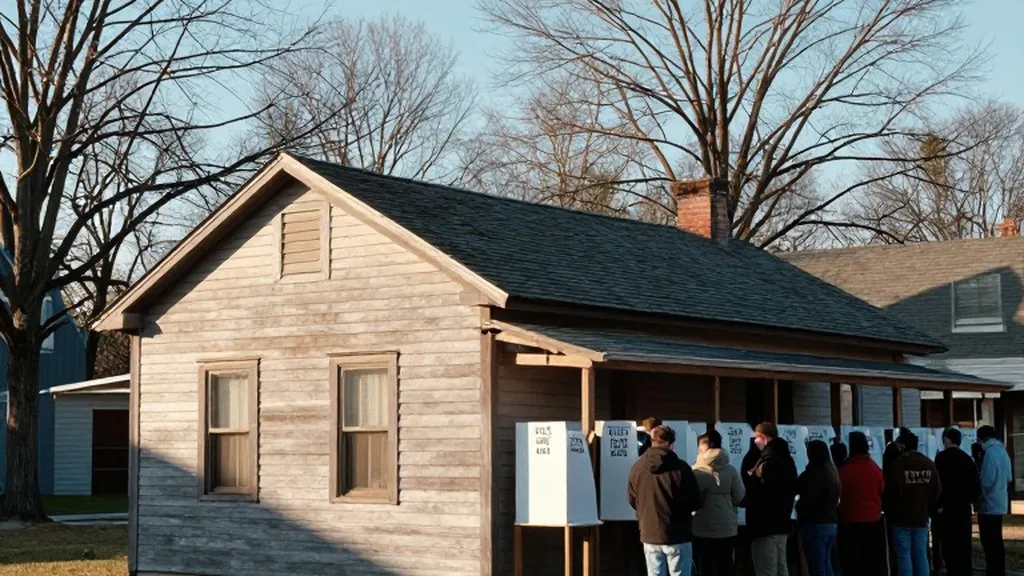
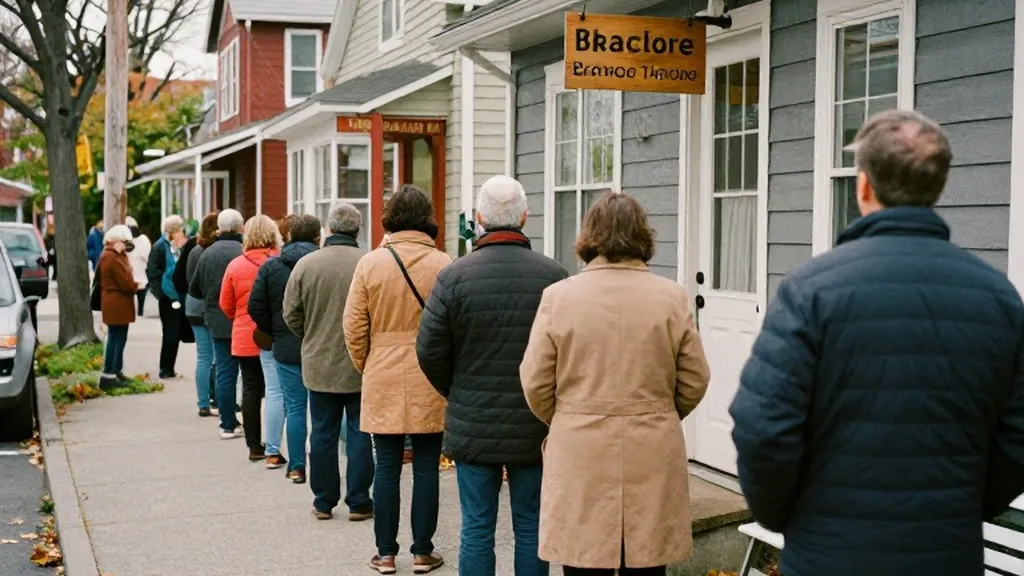
More than 57 million people had already voted as of Monday, surpassing the early vote totals from four years ago in many closely watched states. This surge in early participation suggests that voters are motivated by the high cost of living and the direction of the country. In Portland, the weather is expected to be cool, and local officials have reminded voters that anyone in line when polls close at 8 p.m. Is entitled to cast a ballot. The U.S. Postal Service has added staff and special lines to ensure that mail ballots are processed in a timely manner.
The financial dynamics of the election are also influencing how candidates are campaigning. While Republican committees have outspent Democrats at the committee level, the Democratic edge at the candidate level suggests a more targeted approach to individual races. This divergence in spending patterns is a key feature of the 2026 midterm cycle, as parties attempt to leverage their respective strengths. The Associated Press notes that the money being spent is not just for television ads but also for digital outreach and ground operations in battleground districts.
In the broader national context, the election is being watched closely by Wall Street, with Reuters noting that the results could impact investor confidence regarding AI spending and debt ceiling negotiations. The outcome of the midterms will also have implications for potential 2028 candidates, including Gavin Newsom, JB Pritzker, and Pete Buttigieg, who are seen as beneficiaries of a strong Democratic showing. For Republicans, the goal is to break the historical pattern of a president's party losing seats in midterm elections, a challenge that has become more difficult with the introduction of new congressional maps in several states.
As polls close in Portland and Lewiston, the attention of the nation will turn to the battleground states and the final counts in key districts. The Associated Press emphasizes that the election is a test of the president's popularity, with recent polling showing that only 35 percent of U.S. Adults approve of his job performance. For voters in Maine, the decision is not just about who holds the power in Washington but also about the future of the state's economy and its role in the national political landscape.