Maine voters decide House, Senate, governor; national split hangs by 3 seats
With polls open in Portland and Lewiston, the state's competitive races mirror a national House race where Republicans can lose only two seats to keep control.
By Yasmin Nasser ·
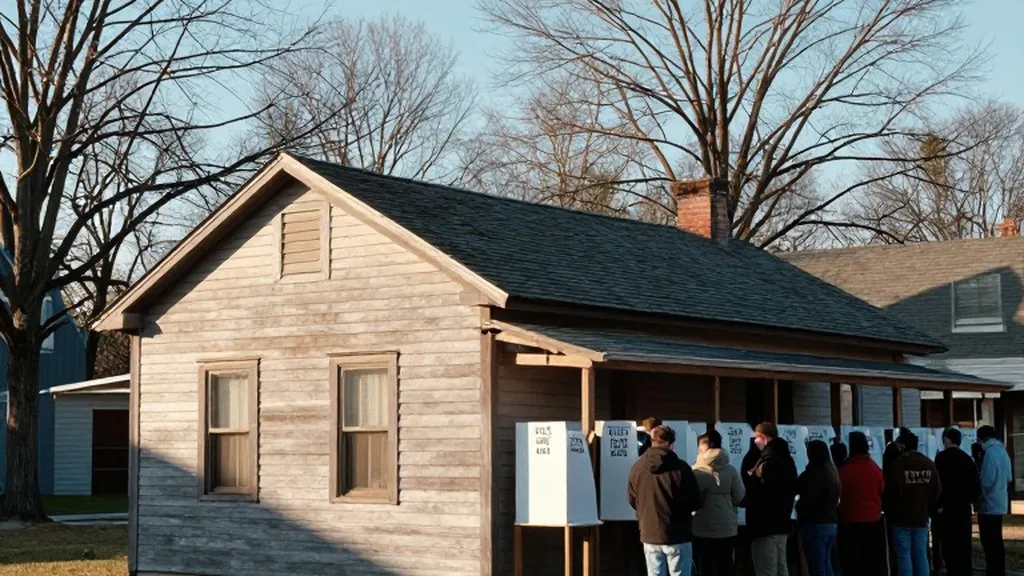
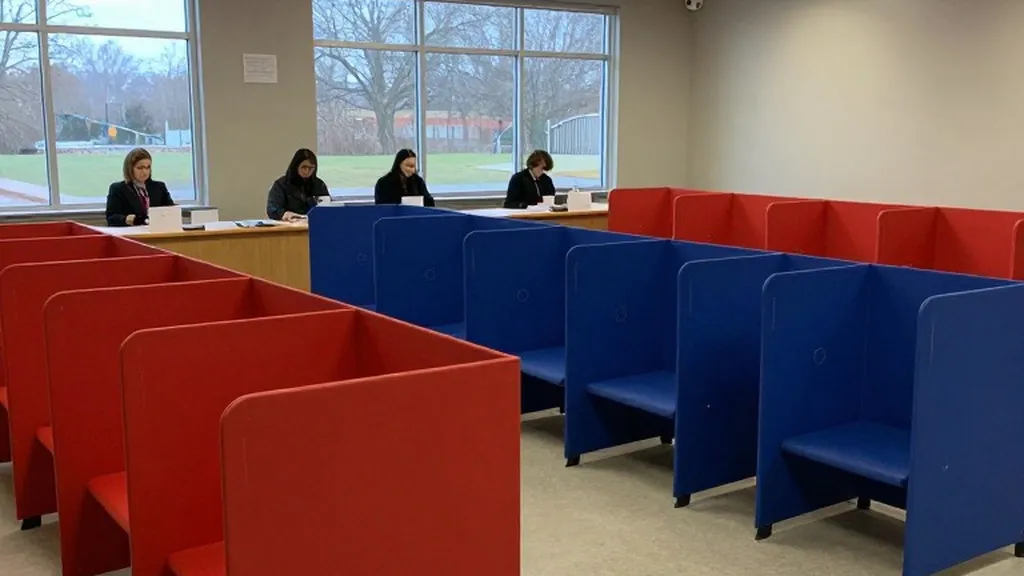
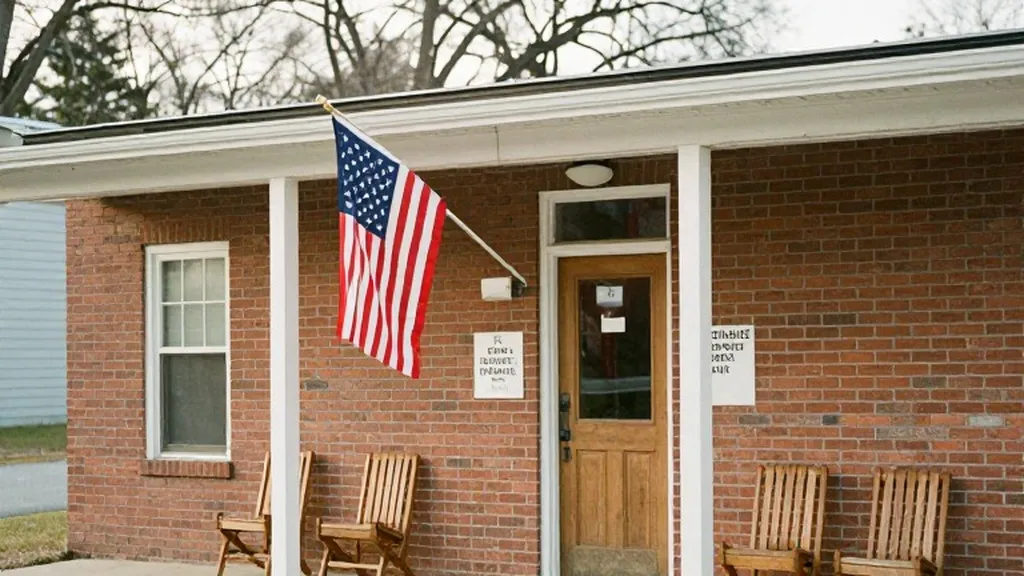
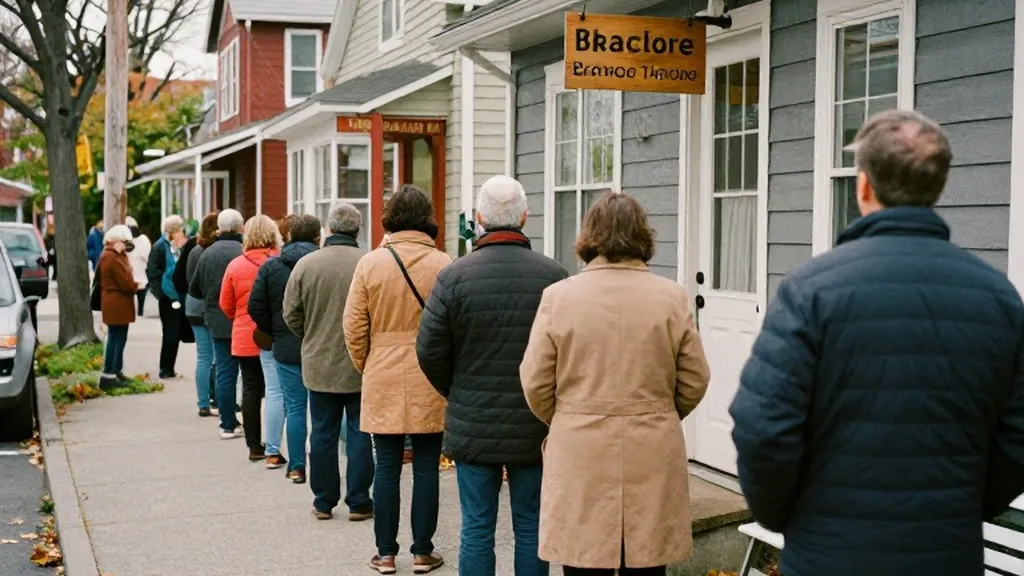
Voters in Portland and Lewiston are casting ballots for a packed slate of state and federal offices on Tuesday, November 3, 2026. Polling places in Maine are open from 6 a.m. to 8 p.m. local time, with some locations in smaller municipalities opening between 6 a.m. and 8 a.m. The Associated Press reports that more than 57 million people had already voted by Monday, surpassing early vote totals from four years ago in many closely watched states. Residents in line when polls close are entitled to vote, and voters can confirm their specific polling location at vote.gov. The day marks the midterm election, which will determine who controls Congress during President Donald Trump's final two years in office.
In the state's most prominent federal race, Republican Senator Susan Collins faces Democratic former State Senate President Troy Jackson. The Associated Press notes that economic strain and tariffs have made this Senate seat competitive, with the state voting for Kamala Harris by 6.9 points in the 2024 presidential election. All four major rating services currently label the race a toss-up. Collins is the incumbent, while Jackson seeks to flip the seat for Democrats, who need a net gain of four Senate seats to take back the majority. The Senate currently has 53 Republicans, 45 Democrats, and two independents who caucus with the Democrats.
Maine also holds an open gubernatorial race, with no incumbent on the ballot. The governor's office is currently held by a Republican, and Democrats would need a net gain of two governorships nationwide to claim a majority, which Republicans have held since 2010. Ballotpedia lists the parties on the ballot for governor as Democratic, Independent, and Republican. This race is part of a broader contest for 36 governorships, where 19 races have no incumbent due to term limits or retirements. The Associated Press identifies Georgia, Nevada, and Ohio as other key governor battles, but Maine's open seat adds to the uncertainty for both parties seeking statewide leverage.
Locally, every U.S. House seat in Maine is on the ballot, including the 2nd Congressional District. The state's congressional delegation will be reshaped by these results, which feed into the national tally for the House of Representatives. All 435 House seats are up for grabs, with Republicans currently holding 218 seats and Democrats holding 214, plus one independent. Because of vacancies and the current count, Democrats need a net gain of three districts to achieve a majority, while Republicans can afford to lose no more than two seats. Ballotpedia has identified 46 battleground districts nationwide, including 25 held by Democrats and 21 held by Republicans. In Maine, the 2nd District is a notable focus, as it is one of the districts where the outcome could influence the national balance.
The national House race is characterized by a razor-thin margin that makes every district critical. The Associated Press notes that Republicans were bracing to lose the House and fighting to hold the Senate, with one or two seats potentially tipping either chamber. Democrats are described as cautiously optimistic, while Republican National Committee Chairman Joe Gruters emphasized the importance of turnout, stating that if they turn out their voters, they win. The House Democratic Leader, Hakeem Jeffries, would become the first Black speaker if Democrats take the chamber, and he has outlined a 100-day agenda focused on the cost of living and oversight. The narrow three-seat margin means that even small shifts in voter behavior in districts like Maine's could determine which party sets the legislative agenda.
New congressional maps in seven states add another layer of complexity to the House race. California, Florida, Missouri, North Carolina, Tennessee, and Texas are using new maps following mid-decade redistricting, and Ohio also has a new map. The Associated Press reports that Republicans attempted to beat the typical midterm pattern of losing seats through redistricting, but new districts in Florida and elsewhere may not vote as initially drawn. These new boundaries influence the 46 battleground districts, where 21 Democratic-held districts voted for Trump in 2024 and nine Republican-held districts voted for Harris. Voters in these areas are deciding whether the new maps will hold or if the political shift will persist.
The Associated Press describes the election as a referendum on Trump's second term, with voters struggling with high prices and angry over an unpopular war with Iran. AP-NORC polling indicates that 35 percent of U.S. adults approve of Trump's job performance, and about seven in 10 say the country is heading in the wrong direction. Most voters blame the president for high prices. In Portland and Lewiston, voters are weighing these national concerns alongside local issues in the state Senate, state House, and municipal elections. The mood is one of high stakes, with the possibility of investigations and impeachment proceedings if Democrats win even one chamber of Congress.
Financially, the 2026 elections are likely to be the most expensive in history. Republican committees have outraised and outspent Democratic committees at the committee level, aided by Trump-affiliated groups and Elon Musk, though Democrats have outraised their opponents at the candidate level. An AP analysis of AdImpact data shows that 88.1 percent of Republican general election TV ad spending went to states and districts Trump won in 2024, including more than $850 million in districts where he won by 10 points or more. This spending pattern reflects the focus on holding key seats in the House and Senate, where the margin of victory is expected to be extremely narrow.