Portland and Lewiston voters face key Senate and House races today
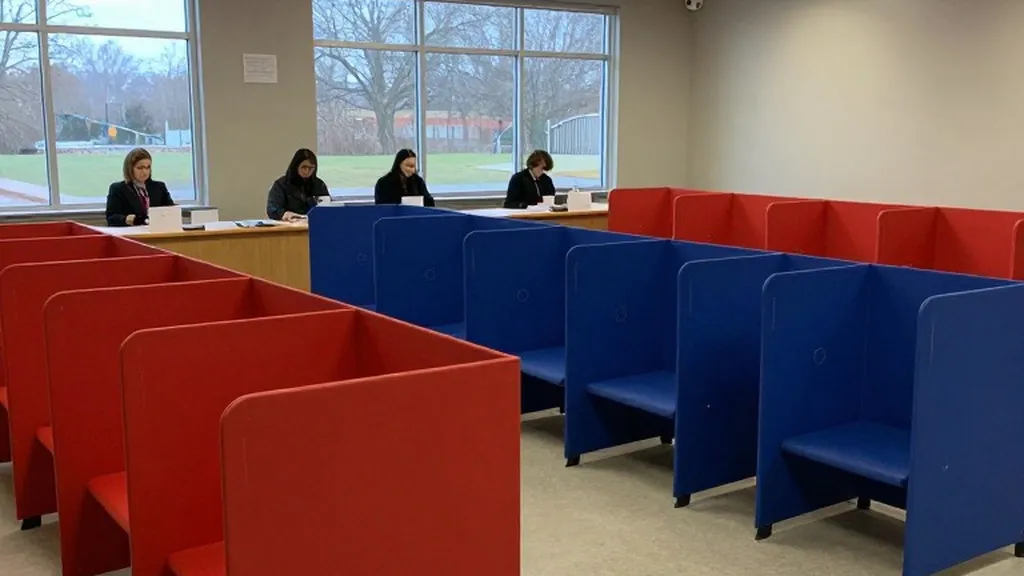
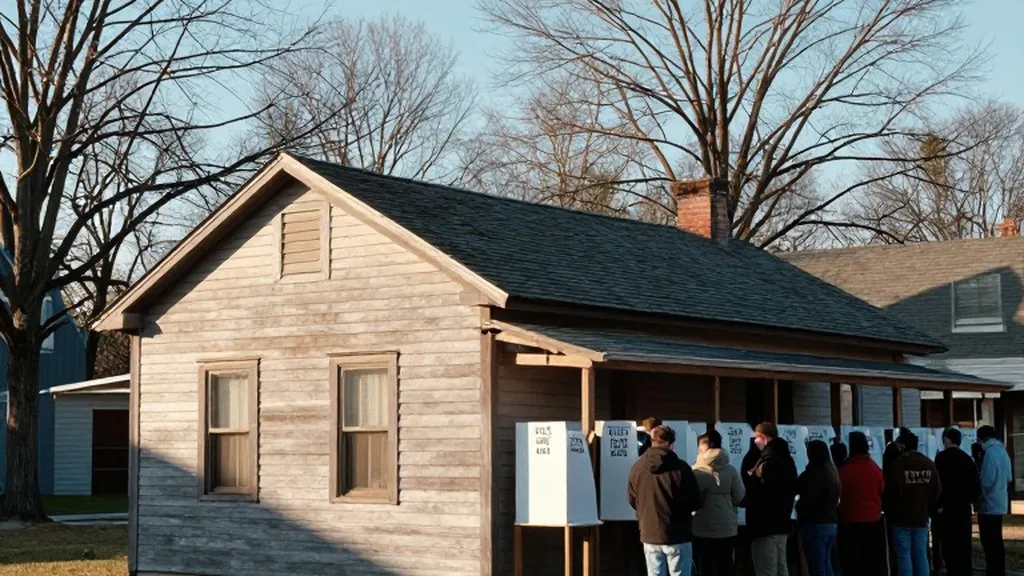
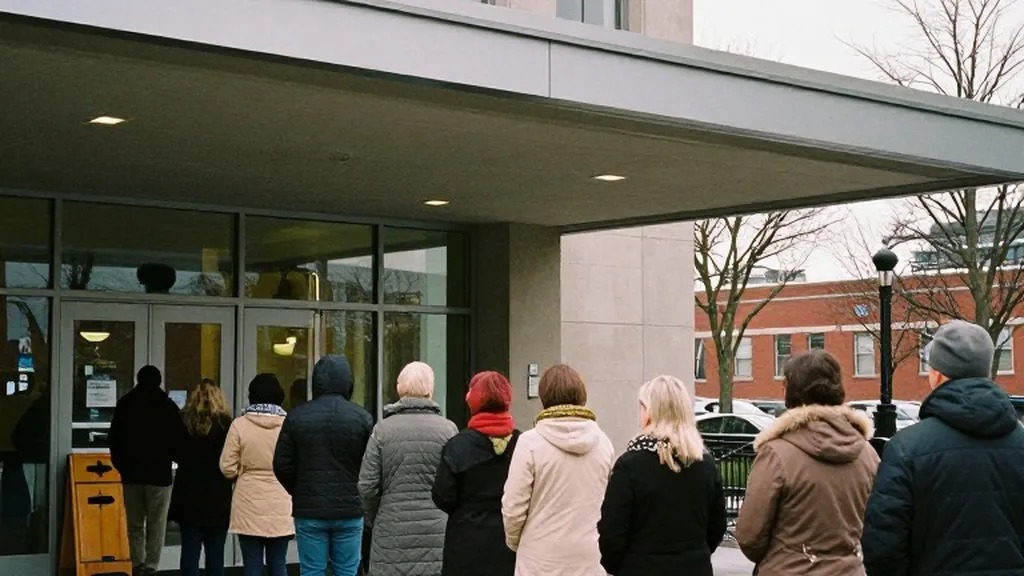
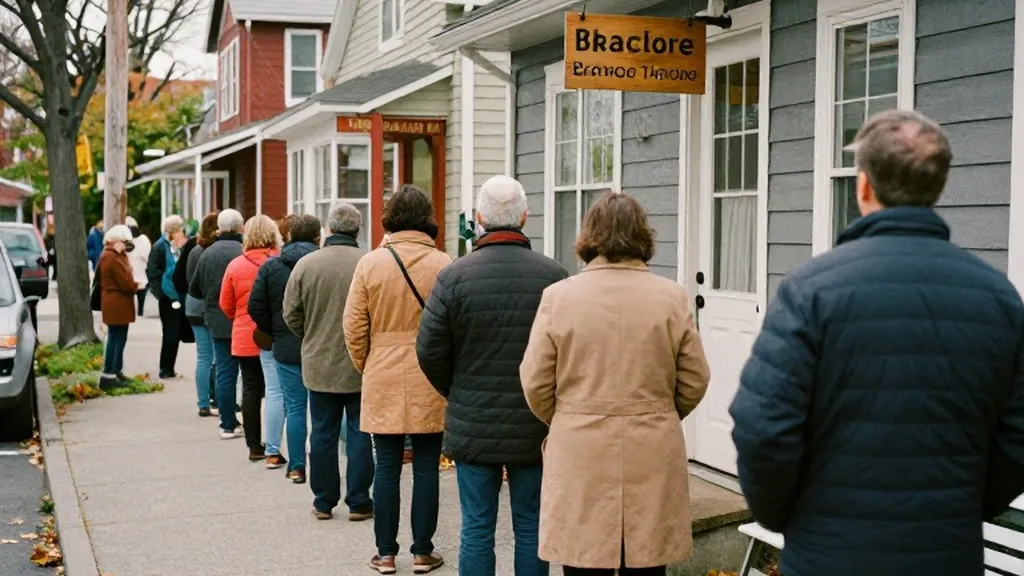
Polls in Maine’s largest cities open at 6 a.m. And close at 8 p.m., with voters deciding the state’s U.S. Senate seat, both congressional districts, and the governor’s office.
By Dominic Foster ·
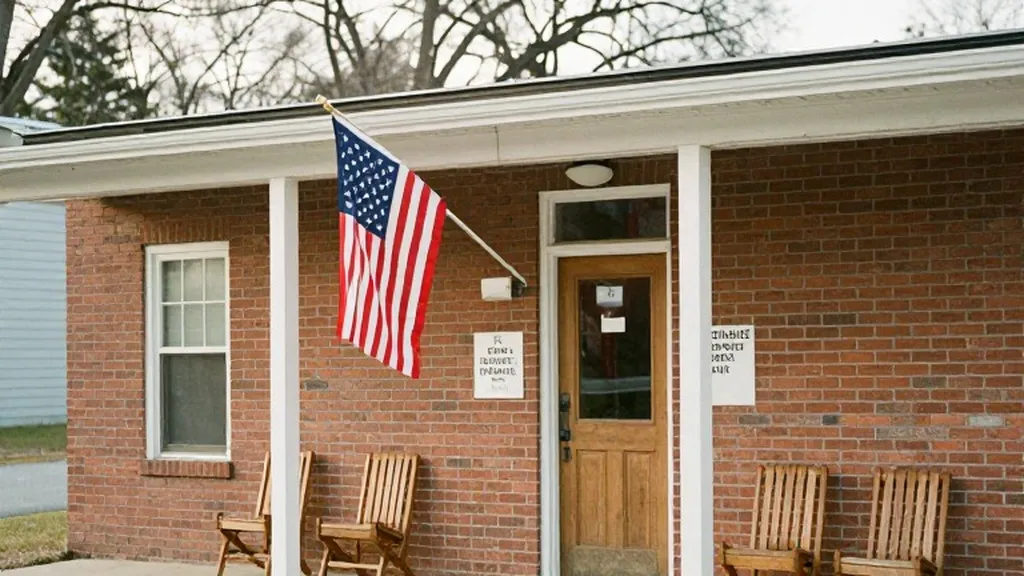
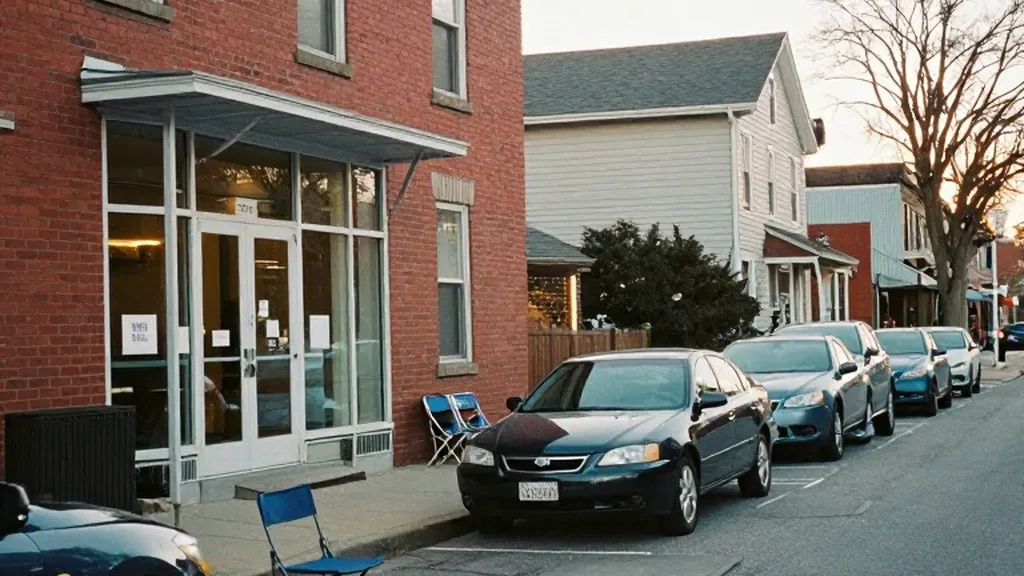
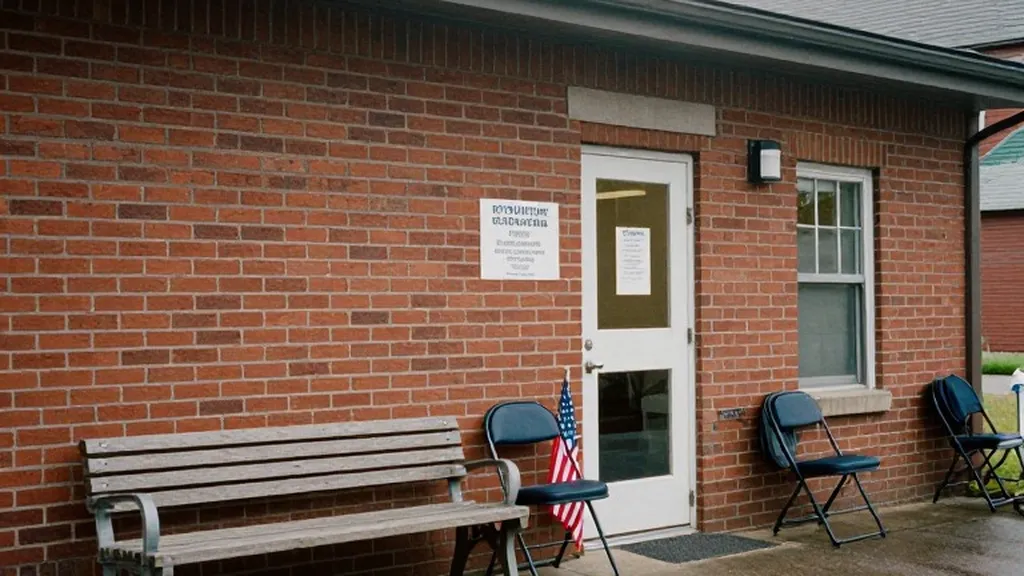
Voters in Portland and Lewiston will head to the polls on Tuesday, November 3, for the 2026 midterm election. Polling places in municipalities with populations of 500 or more, which includes both Portland and Lewiston, may open between 6 a.m. And 8 a.m. However, the standard closing time for all polls in the state is 8 p.m. Local time. Residents are advised to find their specific polling place at vote.gov or their local election office, as locations vary by town.
The ballot in Maine includes significant statewide races that will influence the balance of power in the U.S. Congress. Voters in the two largest cities are deciding the fate of the state’s U.S. Senate seat, currently held by Republican Susan Collins. The parties represented on the ballot for this race include the Democratic, Independent, Republican, and Unaffiliated parties. The race is a toss-up, with economic strain and tariffs as factors making the state competitive in this election cycle.
Maine voters are also choosing the candidates for the state’s two U.S. House of Representatives seats. All congressional districts in the state are up for election in this midterm. In the broader national context, all 435 House seats are being contested. Republicans currently hold 218 seats, while Democrats hold 214, with one independent seat and some vacancies. Democrats need a net gain of three districts to secure a majority in the House, while Republicans can afford to lose no more than two seats to maintain their current control.
The governor’s office is also on the ballot in Maine, an open seat with no incumbent running for re-election. Ballotpedia indicates that the parties on the ballot for the governorship are the Democratic, Independent, and Republican parties. Nationally, 36 governorships are up for election. Republicans hold 26 governor’s offices and Democrats hold 24, with each party holding 18 of the offices currently on the ballot. Democrats would need to gain two governorships to achieve a nationwide majority, a position Republicans have held since 2010.
The election is being framed by the Associated Press as a referendum on President Donald Trump’s second term. Polling from AP-NORC indicates that 35% of U.S. Adults approve of the president’s job performance, while 25% approve of his handling of the economy. About seven in ten Americans say the country is heading in the wrong direction, with most blaming the president for high prices. The Associated Press notes that voters are struggling with these economic conditions and are angry over an unpopular war with Iran.
In Maine, the U.S. Senate race features incumbent Susan Collins, a Republican, against Democratic former state Senate President Troy Jackson. The Associated Press highlights that economic pressures have contributed to the competitiveness of this race. In the governor’s race, the open seat is part of a national trend where 19 of the 36 governorships have no incumbent on the ballot, often due to term limits or voluntary retirement.
Voters in Portland and Lewiston will also see local measures and municipal offices on their ballots, which vary by county. More than 57 million people had already voted as of Monday, surpassing the early vote totals from four years ago in many closely watched states. The U.S. Postal Service has added hours, staff, and special lines to ensure that mail ballots are counted on time, although Maine relies primarily on in-person voting at these hours.
The national picture involves 35 U.S. Senate seats, including 33 regular elections and two special elections. Republicans hold 53 Senate seats, Democrats hold 45, and two independents caucus with Democrats. Democrats need a net gain of four seats to take control of the Senate, while Republicans can lose only two. The Associated Press notes that one or two seats could tip the balance in either chamber, making races in states like Maine, Georgia, and Michigan particularly critical for both parties.
Money is playing a significant role in these elections, with the 2026 contests likely to be the most expensive in history. Republican committees outraised and outspent Democratic committees, aided by Trump-affiliated groups and Elon Musk. However, at the candidate level, Democrats outraised their opponents. RNC Chairman Joe Gruters stated that everything depends on turnout, while DCCC Chair Rep. Suzan DelBene said the American people are angry and want change.
As voters cast their ballots, the results will determine who controls Congress for the final two years of President Trump’s term. If Democrats win even one chamber, investigations and possible impeachment proceedings become likely. House Democratic Leader Hakeem Jeffries would become the first Black speaker of the House and has outlined a 100-day agenda focusing on the cost of living and oversight. The election also has implications for potential 2028 candidates, including Gavin Newsom, JB Pritzker, and Pete Buttigieg.
Voters in line when polls close at 8 p.m. Are entitled to vote, according to general election administration guidelines. ID rules vary by state, so voters in Portland and Lewiston should check Maine’s specific requirements before heading to the polls. The election administration has seen some legal challenges, with a federal judge temporarily barring the Trump administration from carrying out a plan to prevent noncitizen voting, a move critics say risks disenfranchising eligible voters.