Maine voters decide Senate, governor as national control fight intensifies
Polls open in Portland and Lewiston for a race that will determine who controls Congress for President Trump's final two years.
By Yasmin Nasser ·
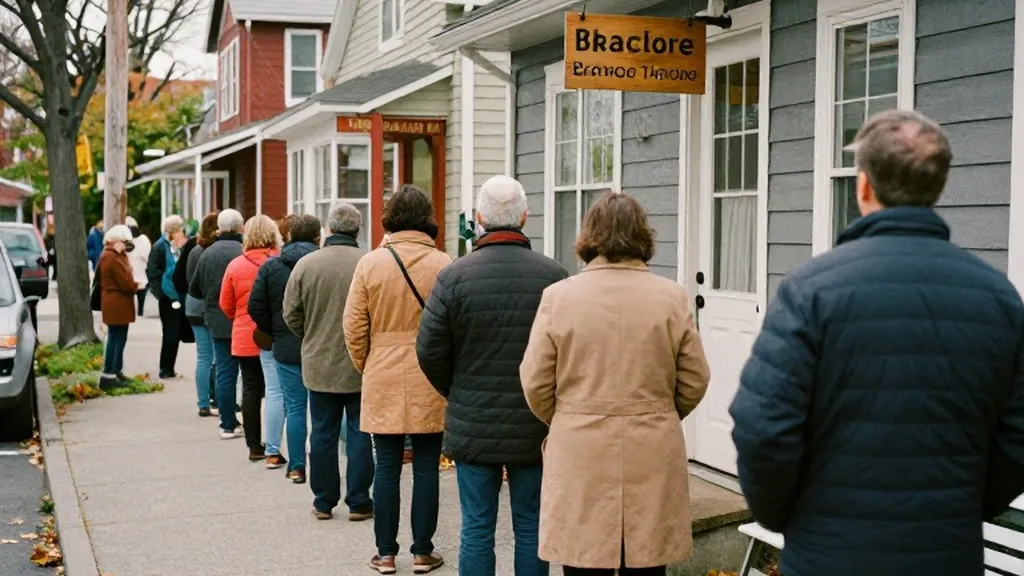
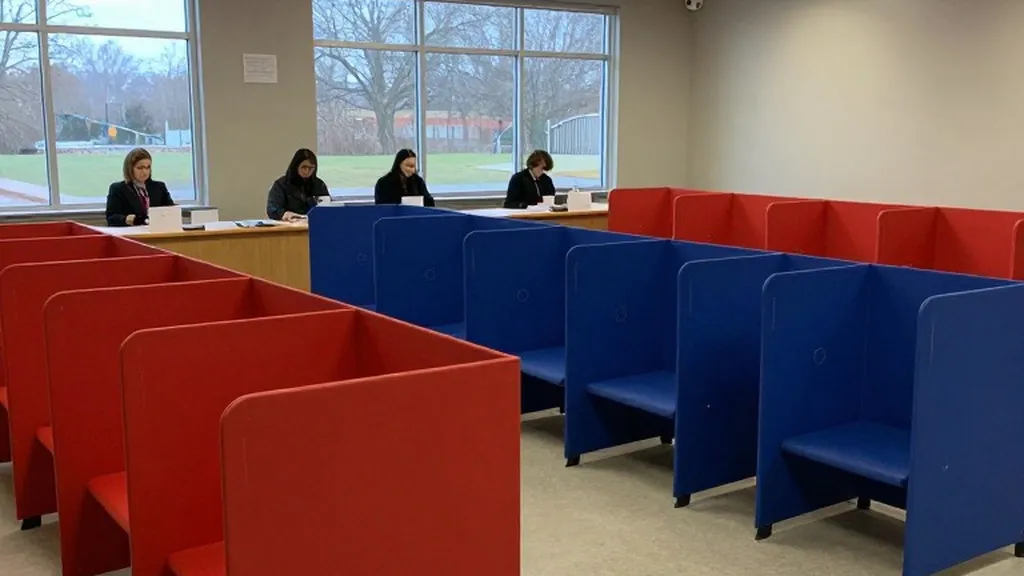
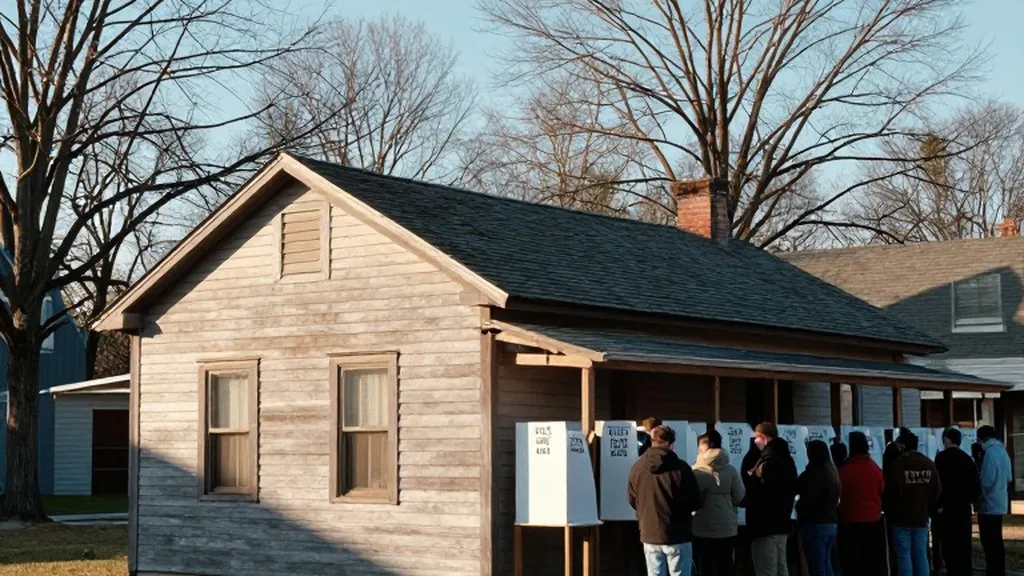
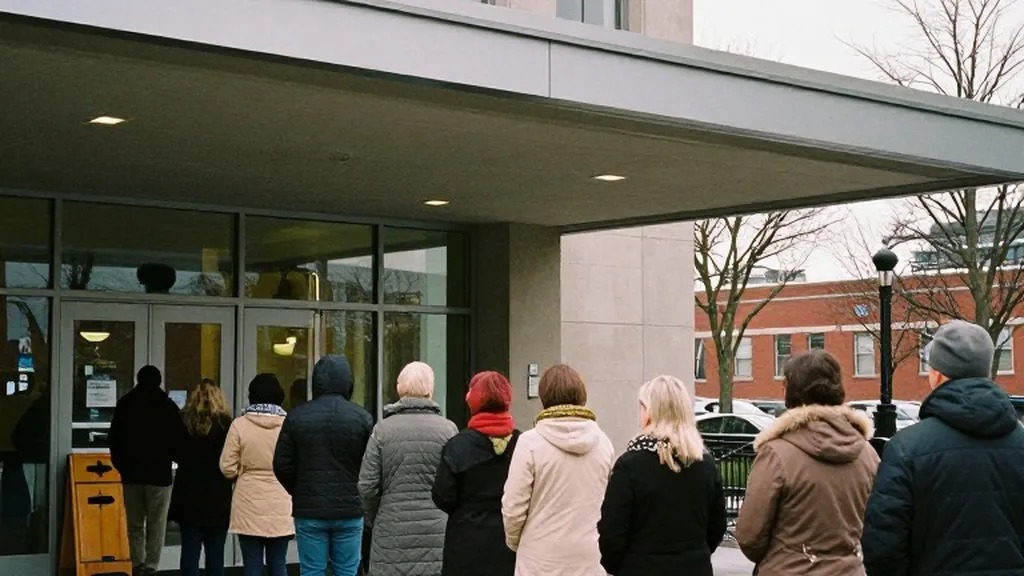
Polls are open across Maine, with voting stations in Portland and Lewiston open from 6 a.m. To 8 p.m. Local time. Voters in municipalities with populations of 500 or more may have polling places that open between 6 a.m. And 8 a.m., while those in smaller towns may open later. Residents can find their specific polling locations at vote.gov. The state is deciding its U.S. Senate seat, the governorship, and every seat in the U.S. House of Representatives. The Senate race pits incumbent Republican Susan Collins against Democratic former state Senate President Troy Jackson. Four major polling organizations rate this race as a toss-up, making it a critical battleground for national control of the chamber.
The governor’s race is also an open seat, as no incumbent is running for a second term. The ballot includes candidates from the Democratic, Independent, and Republican parties. This election is part of a broader national contest where 36 governorships are up for grabs. Republicans currently hold 26 governor's offices, while Democrats hold 24. Democrats need a net gain of two governorships to achieve a nationwide majority, a position the party has not held since 2010. The Associated Press describes the election as a referendum on President Donald Trump’s second term, with many voters expressing frustration over high prices and an unpopular war with Iran.
Nationally, all 435 seats in the U.S. House are up for election. Republicans currently hold 218 seats, while Democrats hold 214. Democrats need a net gain of three districts to secure a majority, whereas Republicans can afford to lose no more than two seats. Ballotpedia identifies 46 battleground districts, with 25 held by Democrats and 21 by Republicans. In the Senate, 35 seats are on the ballot, including 33 regular elections and two special elections. Republicans hold 53 seats, while Democrats hold 45 plus two independents who caucus with them. Democrats need a net gain of four seats to take control of the Senate.
If Democrats win either chamber, investigations and possible impeachment proceedings become likely. House Democratic Leader Hakeem Jeffries has outlined a 100-day agenda focused on the cost of living and oversight. He would be the first Black speaker of the House. A strong Democratic performance could also boost the profiles of potential 2028 presidential candidates, including Gavin Newsom, JB Pritzker, and Pete Buttigieg. Conversely, it could complicate the political path of Vice President JD Vance. Republicans have attempted to counter the historical midterm pattern of losing seats through redistricting, but new maps in states like Florida and California may not perform as expected.
More than 57 million people had already voted as of Monday, surpassing early vote totals from four years ago in many closely watched states. Republicans were bracing for a potential loss of the House while fighting to hold the Senate. Democrats were described as cautiously optimistic. President Trump held dozens of rallies, ending his schedule Sunday in Salina, Kansas, where he urged voters to pretend he was on the ballot. His administration has continued to make claims about voting fraud, including that noncitizens vote in large numbers. The Justice Department has threatened to prosecute local election officials, raising concerns among Democrats about interference.
Election administration has seen recent legal developments. A federal judge temporarily barred the Trump administration from carrying out a plan to prevent noncitizen voting, with critics arguing it risks disenfranchising eligible voters. Another judge ordered the administration to stop demanding that California election officials segregate ballots cast by people on lists of suspected noncitizens. The U.S. Postal Service added hours, staff, and special lines to ensure mail ballots are counted on time. Wall Street is closely watching the results, with Reuters noting that the outcome could add to investor concerns about artificial intelligence spending and debt ceiling negotiations.
In Maine, the Senate race has drawn national attention due to economic strain and tariffs that have made the state competitive. Sen. Susan Collins faces a tough challenge from Troy Jackson. The race is one of 13 Senate battlegrounds. Other key matchups include North Carolina, where former Gov. Roy Cooper faces Michael Whatley, and Georgia, where Sen. Jon Ossoff faces Rep. Mike Collins. In Ohio, former Sen. Sherrod Brown runs against Sen. Jon Husted. Michigan features a contest between former Rep. Mike Rogers and Abdul El-Sayed, with recent endorsements adding to the complexity of the race.
Governor races in several states are also competitive. In Georgia, Republican Rick Jackson faces Democratic former Atlanta Mayor Keisha Lance Bottoms. In Nevada, Republican Gov. Joe Lombardo runs against Democratic Attorney General Aaron Ford. In Ohio, Republican Vivek Ramaswamy faces Democrat Amy Acton, with the campaign facing backlash over an ad featuring Acton’s estranged mother. The Associated Press calls Texas, Florida, and Iowa competitive governor races. Democrats hope to hold a majority of governorships for the first time in two decades, a goal that has eluded the party since 2010.
The 2026 elections are likely to be the most expensive in history. Republican committees have outraised and outspent Democratic committees, aided by Trump-affiliated groups and Elon Musk. However, at the candidate level, Democrats have outraised their opponents. An analysis of AdImpact data shows that 88.1 percent of Republican general election TV ad spending went to states and districts Trump won in 2024. This included more than $850 million in areas where he won by 10 points or more. The high cost of the election reflects the intense competition for control of the federal government.