Maine's Senate race is a national flashpoint on Election Day
Voters in Portland and Lewiston will decide a key battleground in the fight for Senate control, with polls open from 6 a.m. To 8 p.m.
By Yasmin Nasser ·

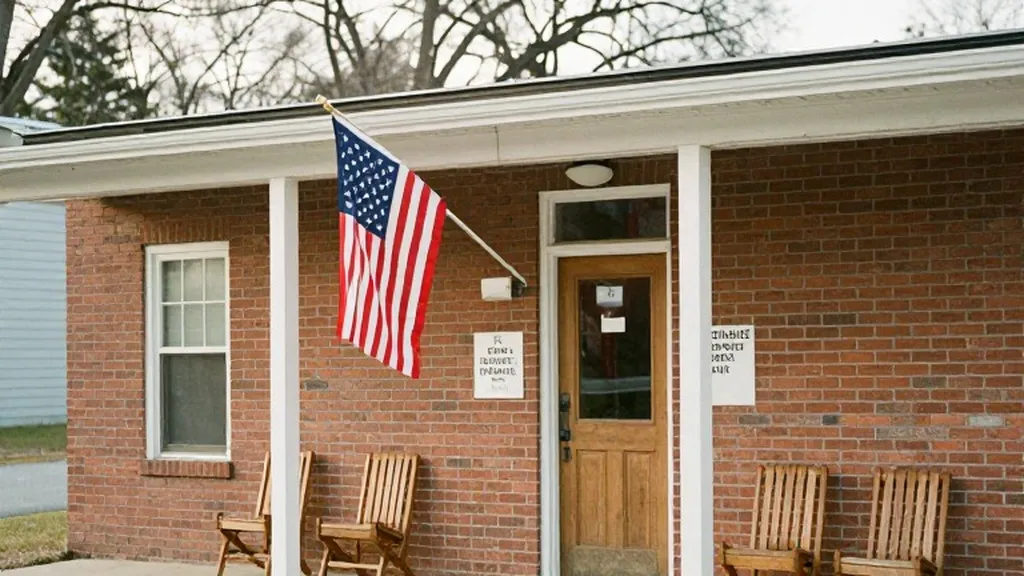
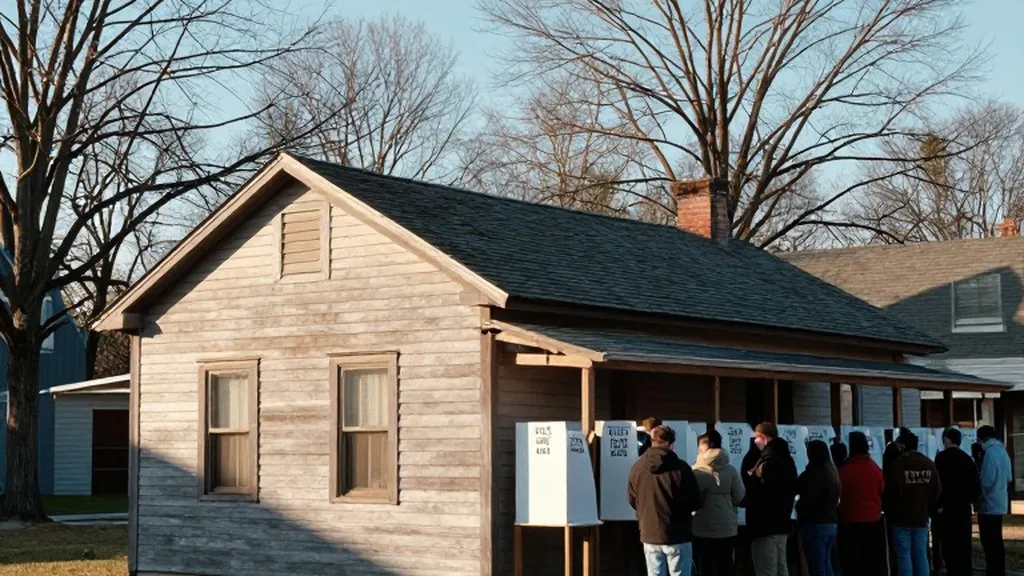
Voters in Portland and Lewiston are heading to the polls on Tuesday, November 3, 2026, to decide a pivotal contest for the United States Senate. Polls in Maine are open from 6 a.m. To 8 p.m. Local time, with some smaller municipalities potentially opening later. The race is widely considered one of the most critical in the nation, as the outcome will directly impact which party controls the upper chamber of Congress. In addition to the federal seat, Maine voters are also choosing a new governor in an open seat race, as no incumbent is running. The state is also voting on two seats in the U.S. House of Representatives, as well as state and local offices.
Sen. Susan Collins, a Republican, is seeking re-election in a state that voted for Democratic presidential candidate Kamala Harris by a margin of 6.9 percent in 2024. Her opponent is Troy Jackson, the former president of the state Senate, who is running as the Democratic candidate. The Associated Press notes that economic strain and tariffs have made the state highly competitive in this cycle. Both major parties are watching Maine closely because it is one of only a handful of races that could determine the balance of power in Washington. The race is rated as a toss-up by all four major political forecasting groups, including the Cook Political Report and Inside Elections.
Voters in the county will also decide the next governor of Maine. This is an open seat race because the current governor is not running. The ballot includes candidates from the Democratic, Republican, and Independent parties, as well as Unaffiliated candidates for some offices. The governor's office is a key target for Democrats, who hope to gain a nationwide majority of governorships for the first time since 2010. Republicans currently hold 26 governorships, while Democrats hold 24. The outcome in Maine could influence the broader national trend for state executive offices.
Looking at the national picture, voters are deciding the control of both chambers of Congress for the final two years of President Donald Trump's second term. There are 35 Senate seats up for election this year, including 33 regular seats and two special seats. Republicans currently hold 53 seats, while Democrats hold 45, plus two independents who caucus with the Democrats. For Democrats to gain control of the Senate, they must achieve a net gain of four seats. Republicans can afford to lose only two seats to maintain their majority. One or two seats could tip the balance in either chamber, making the battleground races crucial.
Among the 13 identified Senate battlegrounds, Maine stands out for its closeness. Other competitive races include Iowa, Kansas, Michigan, and Georgia. In Iowa, the seat is open because Sen. Joni Ernst is retiring. In Michigan, the seat is open following the retirement of Sen. Gary Peters. In Georgia, Sen. Jon Ossoff is facing Republican Rep. Mike Collins. The Associated Press and PBS have highlighted several key matchups, including the race in North Carolina where former Gov. Roy Cooper faces Michael Whatley. In Ohio, former Sen. Sherrod Brown is running against Sen. Jon Husted in a special election. These races are central to the fight for Senate control, with many states having voted for President Trump in 2024.
The Associated Press describes the election as a referendum on the president's second term, with voters struggling with high prices and an unpopular war with Iran. Recent polling and NORC shows that 35 percent of U.S. Adults approve of Trump's job performance, while 25 percent approve of his handling of the economy. About seven in 10 people say the country is heading in the wrong direction. More than 57 million people had already voted as of Monday, surpassing early voting totals from four years ago in many states. This high level of early participation suggests that turnout will be a decisive factor in the final count.
Republican committees have outspent Democratic committees in the general election, aided by Trump-affiliated groups and Elon Musk. However, at the candidate level, Democrats have outraised their opponents. An analysis of AdImpact data shows that 88.1 percent of Republican general election TV ad spending went to states and districts that Trump won in 2024. This includes more than 850 million dollars spent in areas where he won by 10 points or more. The spending strategy reflects a focus on defending seats in areas that voted Republican in the previous presidential election, while Democrats focus on flipping competitive districts.
In Maine, the race has been shaped by national issues such as the cost of living and the impact of tariffs on the local economy. The Associated Press notes that these economic concerns have made the state more competitive than in previous cycles. Voters in Portland and Lewiston are likely to weigh these factors heavily as they cast their ballots. The state's history of electing moderate Republicans and Democrats who are willing to work across the aisle adds another layer of complexity to the race. The outcome in Maine could signal how voters in other swing states are feeling about the current administration.
The election also carries significant implications for the 2028 presidential cycle. A strong Democratic performance could boost potential candidates such as Gavin Newsom, JB Pritzker, and Pete Buttigieg. Conversely, a strong Republican night would solidify the party's hold on power. If Democrats win either chamber, investigations and possible impeachment proceedings become likely. House Democratic Leader Hakeem Jeffries, who would be the first Black speaker of the House, has outlined a 100-day agenda focused on the cost of living and oversight. The results of today's vote will set the stage for the next four years of political struggle in Washington.